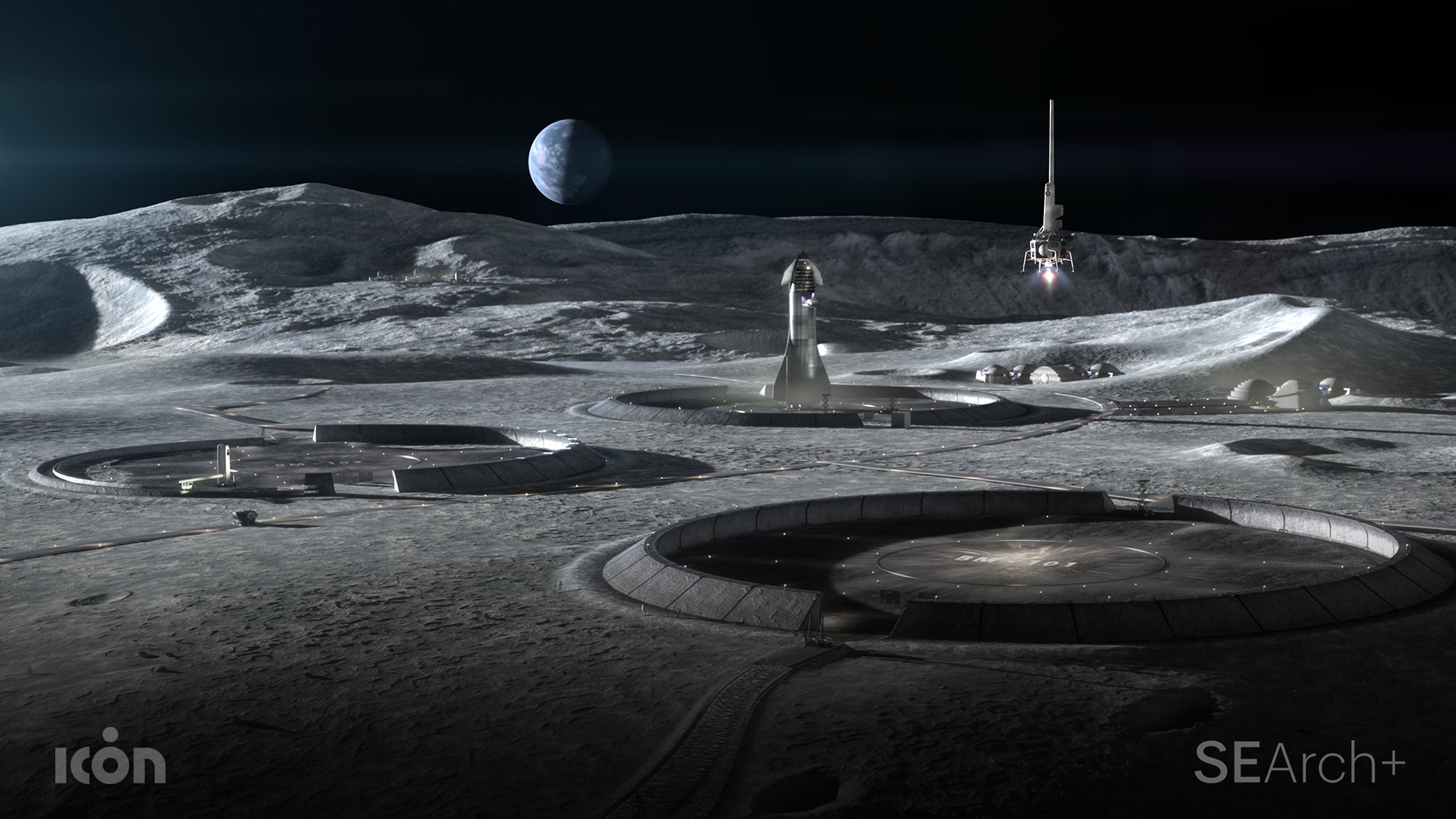
As NASA pushes ahead with plans to establish a permanent human presence near the moon's south pole under the Artemis program, a new study suggests the success of a lunar base may depend on a surprisingly overlooked question: how many astronauts should live there at once?
The answer, according to research published in the journal PLOS ONE, is six. A crew of that size, supported by regular supply missions arriving every two weeks, offers the highest probability of success for a sustainable moon base. Smaller crews and longer gaps between resupply missions could significantly increase risks and reduce productivity.
What You Need to Know
- A crew of six astronauts with bi-weekly resupply offers the highest mission success probability
- Four astronauts with monthly resupply is the least favorable scenario for a lunar base
- Psychological stress and team dynamics may matter as much as hardware and training
- The study used tens of thousands of Monte Carlo simulations to test different crew configurations
The Study Behind the Number
Researchers at George Mason University built what they call a Lunar Base Agent-Based Model, a computational simulation designed to understand how astronauts interact with each other and their environment during long-duration lunar missions. The model, published on May 27, assigns each virtual astronaut a unique set of cognitive skills, emotional states, and personality traits.
Unlike artificial intelligence systems that learn from data patterns, agent-based modeling simulates complex interactions and studies how behaviors emerge in systems without a single cause-and-effect relationship. The approach allowed the team to test scenarios involving different crew sizes, mission durations, and supply schedules.
The study was led by Raymond Vera along with Anamaria Berea and William G. Kennedy of George Mason University. The code is open source and available on GitHub for other researchers to build upon.
Six Is the Sweet Spot
The researchers tested multiple scenarios. In one initial setup, astronauts stayed on the moon for three months and received just one supply mission during that period. Simulations showed the crew completed only about 20 percent of their expected tasks, a figure the researchers considered potentially problematic for a high-stakes lunar mission.
The most favorable scenario involved six astronauts living on the moon simultaneously, with fresh supplies arriving every two weeks and limited environmental disruptions such as radiation events or equipment failures. This combination offered the highest likelihood of maintaining productivity and managing unexpected challenges.
The least favorable scenario featured just four astronauts on the lunar surface, with only one resupply mission every month and moderate to high probabilities of adverse events. Larger crews allowed for better skill development and increased chances of personality compatibility among team members.
Why Psychology Matters as Much as Hardware
The findings highlight a reality that space agencies have long understood but rarely quantified: a moon base is not just an engineering challenge but a human one. The study describes the lunar base as a complex adaptive system where daily behavior emerges from the bottom up rather than following top-down mission plans.
Crew members build skills over time, become tired, adapt to repeated tasks, respond to each other's moods, and react differently to failures. A rover breakdown during a calm week is not the same event as a rover breakdown after poor sleep, rising tension, and a radiation alert.
The researchers drew lessons from other isolated, confined, and extreme environments including Antarctic research stations, submarines, and offshore oil rigs. These proxy environments show that even highly trained crews remain vulnerable to the complexities of prolonged isolation.
What This Means for Artemis
NASA's Artemis program aims to establish a permanent base at the lunar south pole, a region chosen for its access to water ice and near-continuous sunlight for solar power. The program has already completed several milestones including the Artemis I uncrewed mission around the moon.
The study suggests that mission planners should optimize not just hardware and training but also crew size, rotation schedules, personality compatibility, and contingency plans for emergencies. Simply increasing astronaut training may not be enough to address the challenges of long-duration lunar missions.
The researchers ran tens of thousands of Monte Carlo simulations to arrive at their conclusions. The synthetic NASA Task Load Index scores generated by the model tracked how workload distribution, coping capacity, and tension levels shifted under different conditions.
Bottom Line
A permanent moon base will succeed or fail on human factors as much as engineering ones. The research points to six astronauts as the ideal crew size for a lunar outpost, with regular resupply every two weeks, giving mission planners a clear target as Artemis moves from short sorties toward long-duration surface operations.