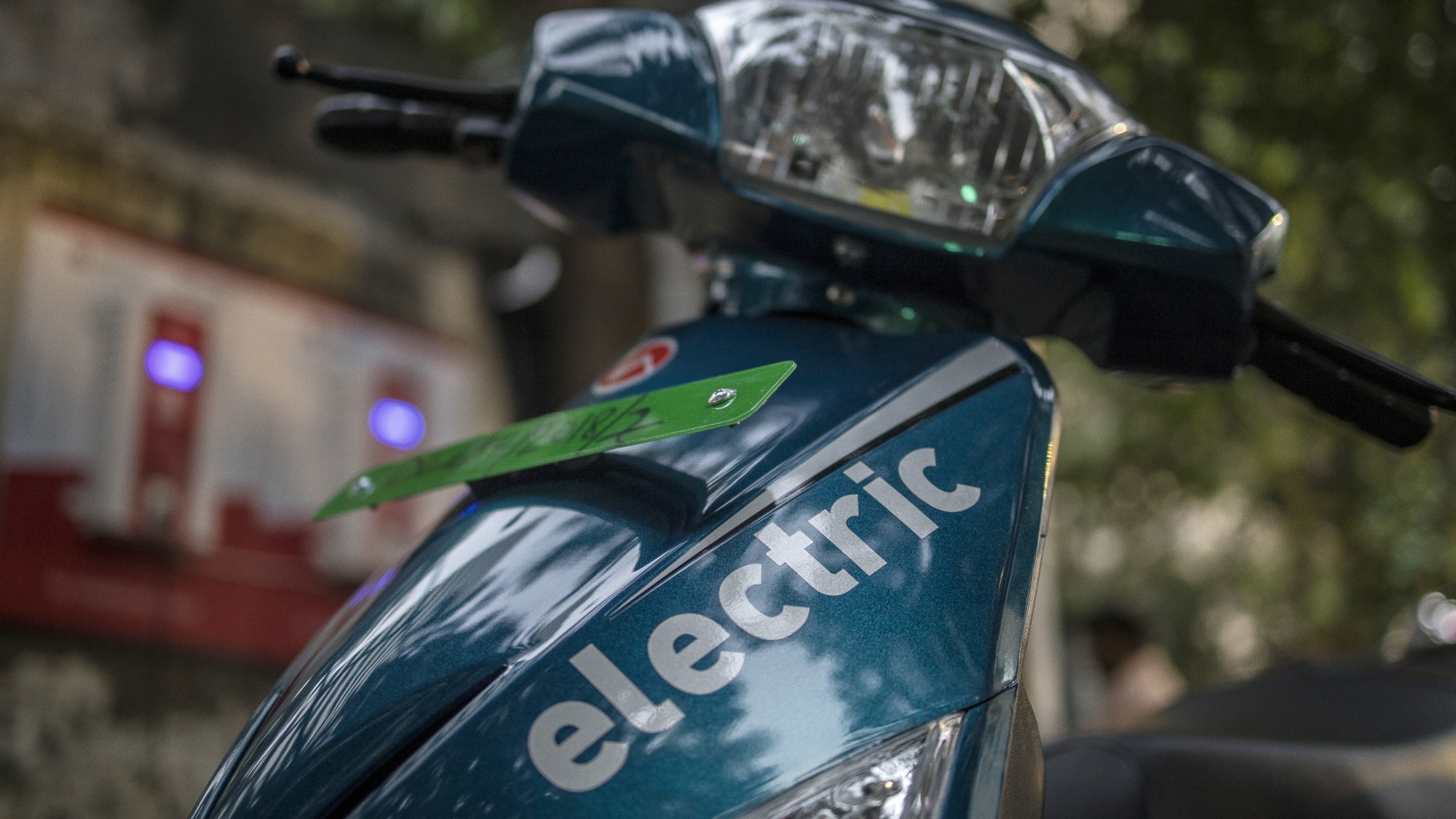
The Indian government is tightening the screws on electric scooter manufacturers that violated the rules of the FAME-II subsidy scheme, with consequences that are reshaping the entire EV two-wheeler market. For buyers, this crackdown carries both risks and opportunities.
What You Need to Know
- Over 400,000 subsidy claims worth Rs 297 crore have been rejected by the Heavy Industries Ministry
- Hero Electric, Okinawa Autotech, and Benling India face SFIO investigations for fraudulent subsidy claims
- Smaller e-scooter companies have seen sales collapse, some to near zero, after being penalised
- The government is planning a stricter FAME-III scheme with tighter compliance requirements
What Happened
The Faster Adoption and Manufacturing of Electric Vehicles (FAME-II) scheme, launched in 2019 with a budget of Rs 11,500 crore, was designed to accelerate EV adoption in India by providing purchase incentives to buyers. In exchange, manufacturers had to meet phased manufacturing program guidelines requiring a minimum percentage of local sourcing.
Between late 2022 and early 2023, the government began receiving complaints that several companies were claiming subsidies without meeting the localisation requirements. Investigations revealed that some manufacturers were importing restricted components from China while claiming domestic value addition credits.
In December 2024, the Serious Fraud Investigation Office conducted raids on Hero Electric, Benling India Energy and Technology, and Okinawa Autotech International, seizing documents related to alleged fraudulent subsidy claims totalling Rs 297 crore.
The Scale of the Crackdown
Of the 1,050,000 claims for incentives received from companies registered under FAME-II, the Ministry of Heavy Industries has not approved claims on approximately 400,000 electric two-wheelers. A senior government official confirmed that debarring these companies from future subsidies and refusing sops on vehicles sold over the preceding 15 months are among the measures under consideration.
The impact on the affected companies has been severe. Hero Electric, once a market leader in India's EV two-wheeler space, saw its annual sales plunge from 29,965 units in 2023 to just 382 units in the first half of 2025. The company is now undergoing insolvency proceedings. Okinawa Autotech's sales collapsed from 31,618 units in 2023 to 4,855 in 2024 and just 1,422 units in the first half of 2025. Benling India and AMO Mobility have nearly vanished, selling just 95 and 25 vehicles respectively in all of 2025.
What It Means for EV Buyers
If you are considering buying an electric scooter, the crackdown has several implications.
First, the number of brands to choose from has shrunk. Several smaller players have effectively exited the market, and warranty or service support for their existing customers is uncertain. Buyers who purchased vehicles from Hero Electric, Okinawa, or Benling may face difficulties with spare parts availability and after-sales service.
Second, the remaining players Ola Electric, Ather Energy, TVS, and Bajaj have consolidated their market positions. These companies complied with FAME-II localisation requirements and continue to offer subsidies on their vehicles. Their financial health is stronger, and their service networks are more reliable.
Third, prices have risen. When the government denied subsidy claims for 400,000 vehicles, the affected companies had to either absorb the cost or pass it on to buyers. Most chose the latter, making their scooters significantly more expensive and further depressing demand.
What the Government Is Doing Next
The FAME-II scheme officially ended on March 31, 2024, but its legacy continues to shape policy. The government is working on a successor programme, referred to as FAME-III, which aims to promote electric mobility while enforcing stricter compliance and stronger domestic manufacturing requirements.
The new scheme is expected to include more rigorous auditing mechanisms, real-time tracking of localisation compliance, and stricter penalties for violations. Companies that have been found violating FAME-II norms are likely to be barred from participating in the new scheme.
Separately, the government has introduced the PM Electric Drive Revolution in Innovative Vehicle Enhancement (PM E-DRIVE) scheme with an outlay of Rs 10,900 crore, covering e-2Ws, e-3Ws, e-trucks, e-buses, and charging infrastructure.
Lessons for Buyers
The FAME-II crackdown offers a practical lesson for anyone buying an EV in India: the brand's compliance record matters. A subsidised scooter from a company that later loses its subsidy eligibility can become a financial liability, both in terms of resale value and service availability.
Stick with manufacturers that have clean compliance records and established service networks. The price premium you pay for a compliant brand is effectively insurance against the kind of disruption that has wiped out Hero Electric and Okinawa.
Bottom Line
The government's crackdown on FAME-II subsidy fraud has cleaned up the e-scooter market but left a trail of collapsed companies and stranded customers in its wake. For buyers, the message is clear: a cheap e-scooter from a non-compliant manufacturer is no bargain if the company disappears. The consolidation of the market around compliant players is painful in the short term but healthier for the industry in the long run.