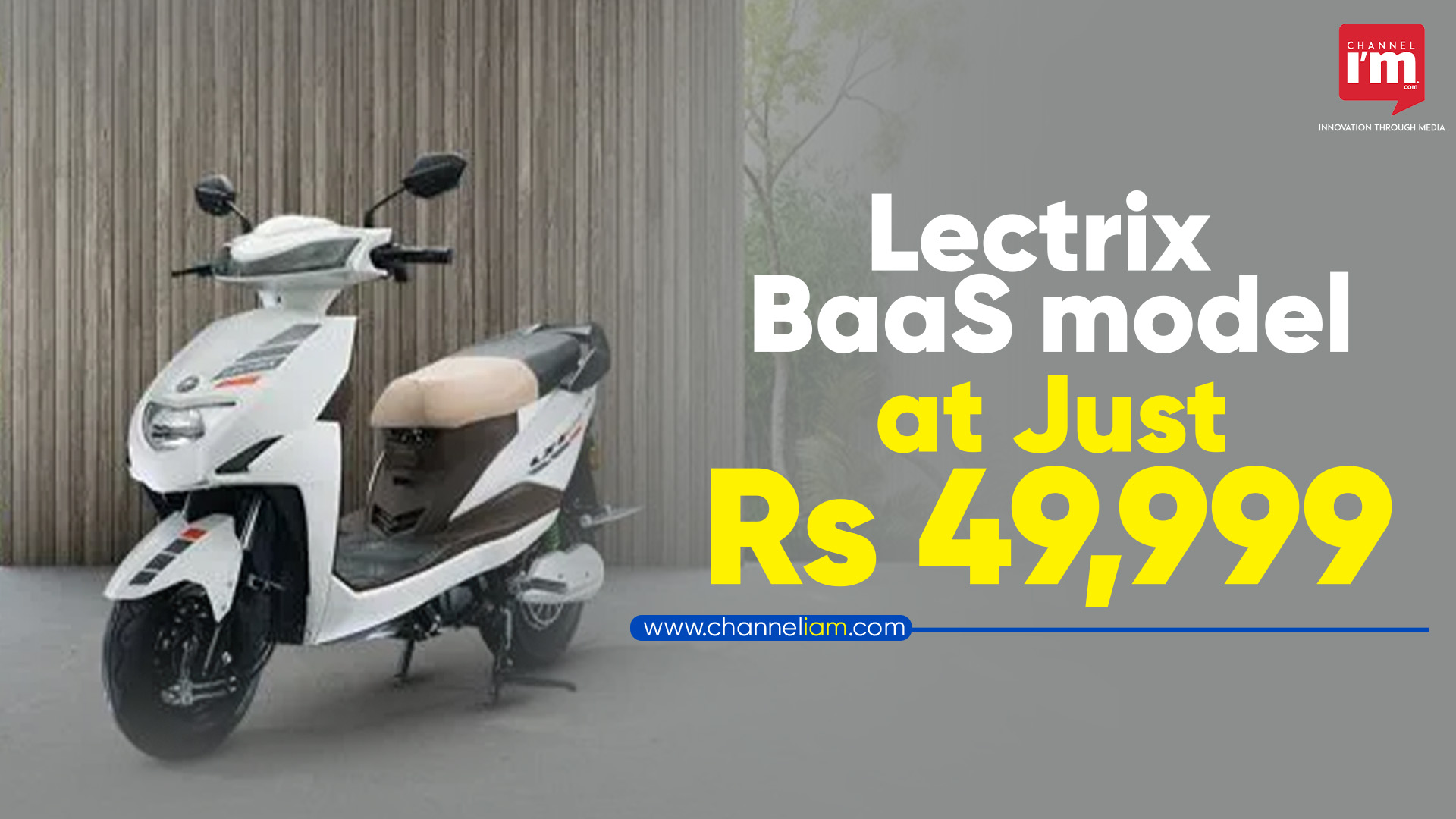
Buying an electric scooter or motorcycle in India just got cheaper upfront thanks to Battery-as-a-Service plans from almost every major manufacturer. But that lower sticker price comes with a catch: recurring per-kilometre charges that can add several thousand rupees to your annual running costs.
BaaS separates the battery from the vehicle. You buy the scooter or bike without its most expensive component and pay a subscription fee for battery usage instead. The model has become a powerful sales tool across the Indian EV market, from Tata and MG cars to TVS electric scooters. But the real question for buyers is shifting from "How much do I save today?" to "How much will I actually pay over the life of the vehicle?"
What You Need to Know
- BaaS cuts upfront EV prices by Rs 2-5.5 lakh by removing battery cost from the purchase
- Per-km charges range from Rs 2.30 to Rs 5, with minimum monthly billing commitments
- Low-mileage drivers (under 1,000 km/month) face sharply higher effective costs
- TVS iQube and Orbiter now offer two-wheeler BaaS starting at Rs 1,242 per month
How BaaS Works for Two-Wheelers
TVS Motor Company became one of the first two-wheeler manufacturers to offer Battery-as-a-Service across its electric portfolio. Under the TVS plan, buyers purchase the iQube or Orbiter scooter at a reduced upfront price and subscribe to the battery through a fixed monthly plan starting at Rs 1,242.
The subscription covers battery performance and includes a warranty for up to five years or 70,000 kilometres. After the selected tenure ends, ownership of the battery transfers to the customer with no further payments required.
Other manufacturers have followed similar models. Ola Electric, Ather Energy, and Bajaj Auto have all explored or launched battery subscription plans for their electric two-wheelers, though terms vary significantly between brands.
The Hidden Costs
The appeal of BaaS is obvious. A TVS iQube that normally costs around Rs 1.2 lakh can be purchased for significantly less upfront. But the subscription payments continue throughout the ownership period.
Current BaaS plans charge between Rs 2.30 and Rs 5 per kilometre, depending on the model and manufacturer. For a commuter covering 30 kilometres daily or roughly 900 kilometres per month, a mid-range plan at Rs 3.50 per km would add about Rs 3,150 in monthly battery charges. Over three years, that amounts to over Rs 1.13 lakh in battery payments alone.
The economics become more complicated where minimum monthly billing applies. Some plans require payment for a minimum number of kilometres each month, meaning light users pay for distance they never ride.
Who Benefits and Who Loses
BaaS works best for high-mileage users who would exhaust the battery value through heavy usage anyway. Daily commuters covering 40-50 kilometres or more can benefit from the lower upfront cost and spread battery payments across actual use.
For occasional riders who cover only 500-800 kilometres per month, the effective cost per kilometre rises sharply because fixed subscription charges or minimum billing commitments still apply. In many cases, buying the scooter with the battery included works out cheaper over a five-year ownership period.
What Manufacturers Say
Carmakers argue that BaaS is primarily a financing innovation that makes EVs more accessible. JSW MG Motor India, which introduced BaaS with the Windsor EV in 2024, reports that around 12-15 percent of its EV sales now come through the model. "This flexible ownership program eliminates the upfront cost of the battery, enabling customers to pay only for its usage," a company spokesperson said.
TVS Motor offers a similar value proposition for two-wheelers. The company highlights lower starting prices, predictable monthly fees, and the peace of mind of a battery warranty that covers performance for the entire subscription tenure.
Bottom Line
BaaS makes electric two-wheelers more accessible by slashing upfront prices, but the subscription costs can add up significantly over time. Buyers should calculate their total cost of ownership based on their actual monthly mileage before choosing between BaaS and outright purchase. For high-mileage daily commuters, the math works. For occasional riders, buying the battery upfront is likely the better deal.