
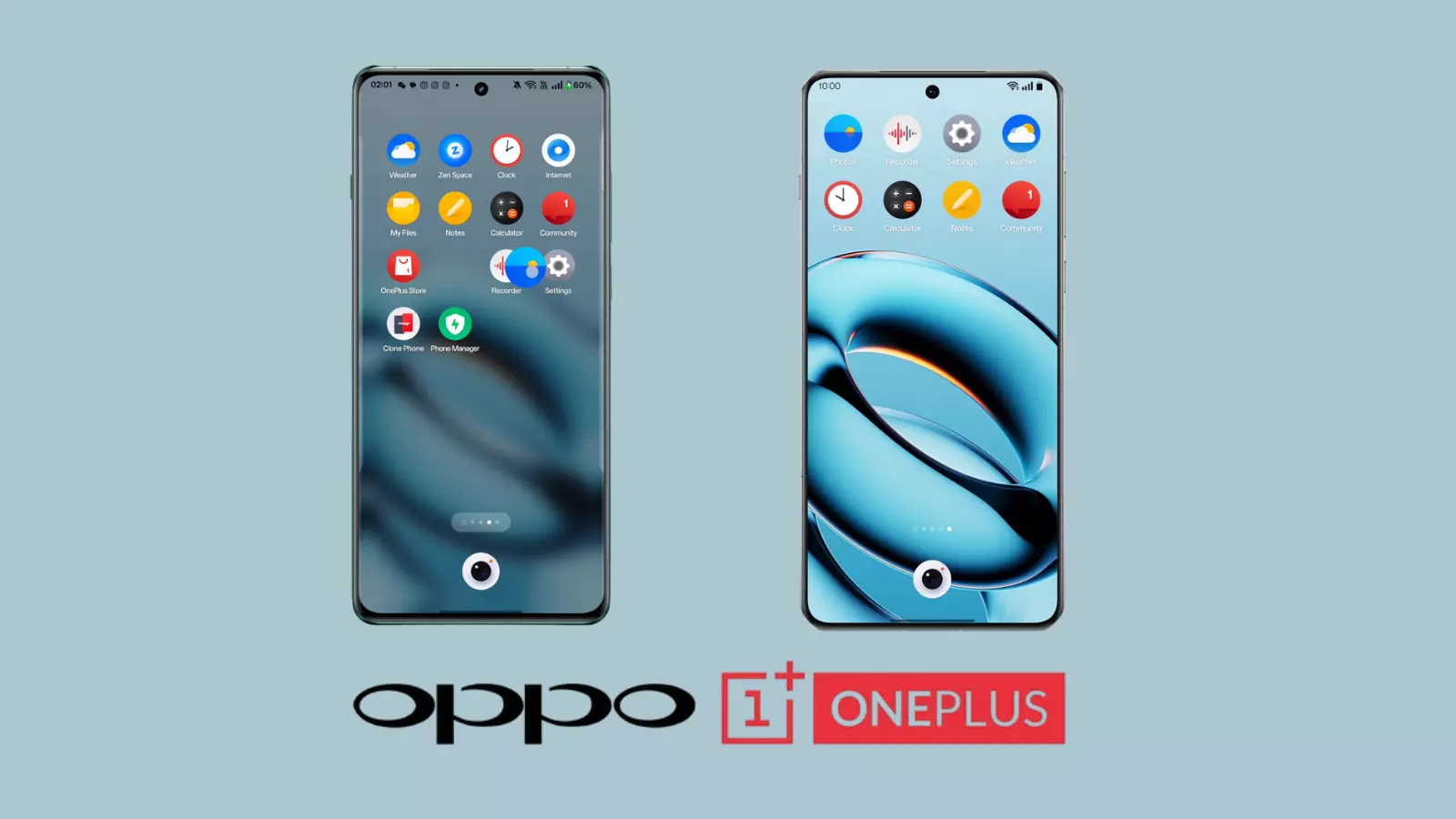
OnePlus and Realme have confirmed that their custom Android skins OxygenOS and Realme UI are being phased out in favor of OPPO's ColorOS 17. The announcement, made through official community posts, marks the end of an era for OnePlus's signature software experience that helped build the brand's loyal following.
What You Need to Know
- OnePlus and Realme confirmed OxygenOS and Realme UI are being replaced by ColorOS 17
- Existing eligible devices will get the option to update to ColorOS 17 voluntarily
- The move is part of OPPO's broader restructuring across its three brands
- OnePlus is also pulling out of US and European markets, narrowing focus to India and China
- Hardware differentiators like fast charging, design, and update commitments remain unchanged
The Confirmation
OnePlus described the transition to ColorOS as an operational adjustment aimed at improving process efficiency. In a community post, a OnePlus India executive said users of eligible devices will soon have the option to update to ColorOS 17. The company framed this as a name and visual identity change rather than a philosophical shift, insisting that the fast, smooth experience OxygenOS built its reputation on remains the core promise.
Realme made an identical announcement, confirming that future smartphones in India will launch with ColorOS 17 and existing eligible devices will receive the transition option.
Years in the Making
The writing has been on the wall since 2021, when OnePlus co-founder Pete Lau, then serving as OPPO's Chief Product Officer, announced a shared codebase between OxygenOS and ColorOS. The promise at the time was that OxygenOS would retain its clean, ad-free identity while sharing underlying infrastructure. In practice, the two skins grew increasingly similar, with OxygenOS gradually adopting more ColorOS elements with each major release.
By OxygenOS 16, even die-hard enthusiasts struggled to identify meaningful differences in a side-by-side comparison. The China market had already been running ColorOS on OnePlus devices for years after HydrogenOS was retired.
The Broader Restructuring
The software consolidation comes amid a sweeping reorganization of OPPO's brand portfolio. OnePlus's entire EU team departed in a single week in April 2026. German, French, and Spanish OnePlus websites now redirect users to OPPO products. The UK storefront is completely out of stock with no refresh planned, and US inventory is visibly thinning.
OnePlus is narrowing its operational focus to India and China, with reports suggesting a potential full exit from India by 2027. Realme, meanwhile, is winding down its China operations to concentrate on international markets. The two brands merged operationally in April 2026.
The Unanswered Question
ColorOS ships with system-level advertisements. OxygenOS historically did not. When Pete Lau promised in 2021 that OnePlus would never put ads in its software, it was a commitment that mattered to the brand's core audience. Whether ColorOS ads will appear on former OnePlus devices remains unaddressed. That single question may determine whether existing users stick with the brand or look elsewhere.
What Stays the Same
Both OnePlus and Realme have stated that their hardware identity, update commitments, and product design language remain unchanged. OnePlus noted its lineup starts at Rs 18,000 and above, and differentiators like performance and fast charging are preserved. ColorOS 17 is based on Android 17 and brings OPPO's latest software features including AI-powered tools, enhanced multitasking, and deeper ecosystem integration.
Bottom Line
The death of OxygenOS marks the end of a chapter in Android history. For OnePlus fans who chose the brand for its clean software, the transition to ColorOS is a bittersweet acknowledgment of what the brand has become. For OPPO, unifying three brands under one OS streamlines engineering resources and strengthens its ecosystem play even as it signals the final consolidation of the BBK Electronics empire.