
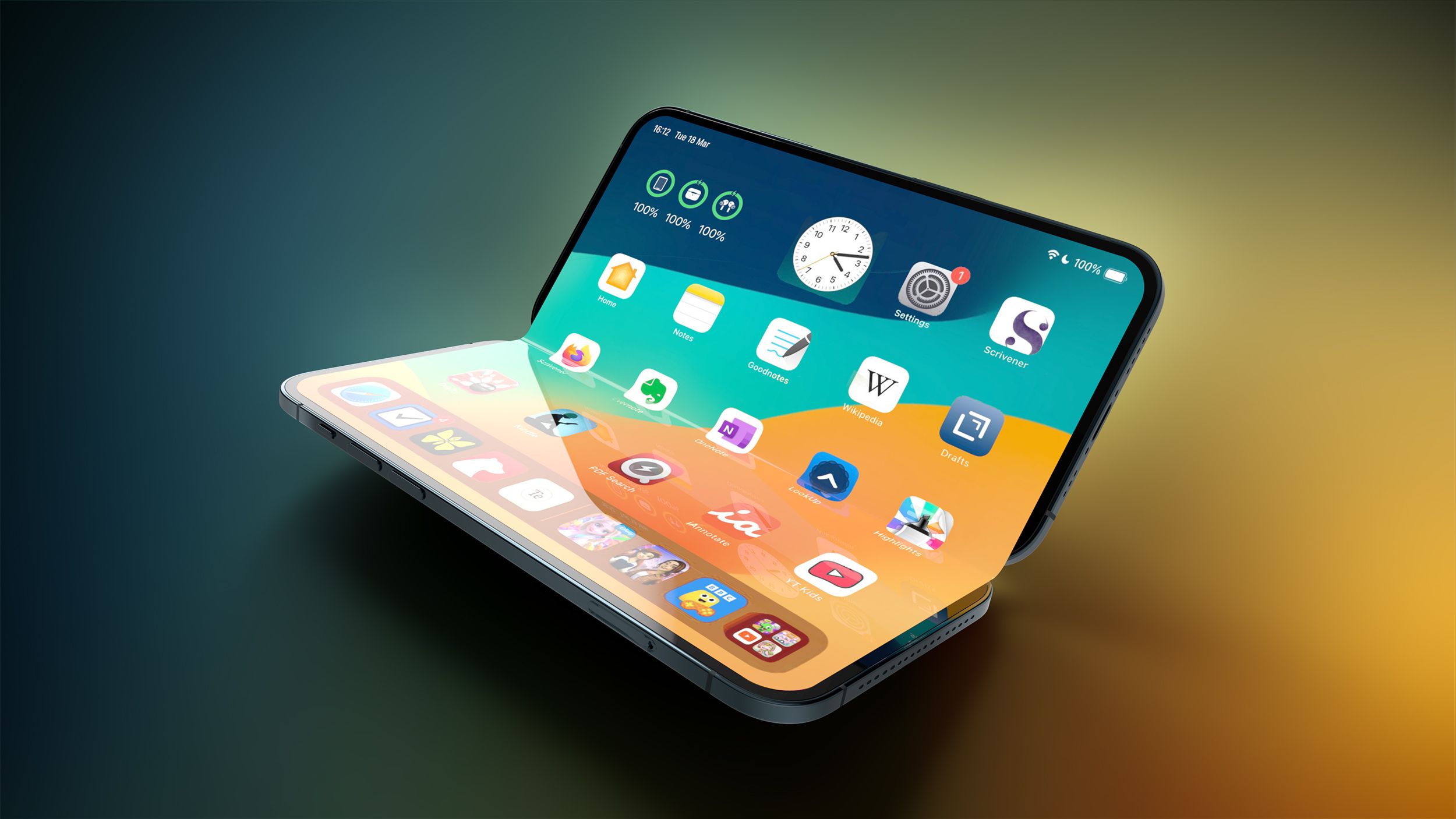
Apple's first foldable iPhone is finally entering mass production, with suppliers ramping up output for a September launch. But even as assembly lines prepare to churn out millions of units, a key question remains unanswered: what is the hinge actually made of?
Conflicting reports from Apple's supply chain paint two very different pictures. Some sources say the hinge uses a novel liquid metal alloy designed for extreme durability. Others insist it is manufactured using advanced 3D printing techniques. The answer matters because the hinge is the single most critical component in any foldable phone, and Apple is known for waiting until the last possible moment to lock in its final design choices.
What You Need to Know
- Apple's foldable iPhone (reportedly branded "iPhone Ultra") is in mass production with Foxconn, targeting a September launch with an initial run of 10 million units
- The device features a 7.8-inch inner display, a 5.5-inch cover screen, an A20 chip, and a Touch ID power button
- Hinge technology remains uncertain: reports point to both liquid metal and 3D-printed components from different suppliers
- Hinge issues during testing (noise and tolerance problems) have been largely resolved, according to supply chain sources
What We Know About the iPhone Ultra
The foldable iPhone, which multiple reports suggest will be branded as iPhone Ultra, is Apple's most ambitious hardware project in years. The device uses a book-style folding mechanism similar to the Samsung Galaxy Z Fold series, with a 7.8-inch inner OLED display that opens like a tablet and a 5.5-inch cover screen for one-handed use.
Under the hood, the iPhone Ultra is expected to feature Apple's next-generation A20 chip, the company's custom C2 modem in select markets, and a Touch ID sensor integrated into the power button. The device will run iOS 27, which developers have already discovered includes system frameworks for tracking fold states and hinge angles. The starting price is rumored to fall between $2,000 and $2,500.
The Hinge Mystery
The hinge debate centers on two competing approaches. In June, leakers reported that Apple had chosen a liquid metal alloy for the hinge mechanism. Liquid metal is an amorphous alloy that offers exceptional strength and elasticity, properties that make it ideal for a component that must survive hundreds of thousands of folding cycles without degrading.
But supply chain reports from Korea and Taiwan tell a different story. According to The Elec, the hinge is being supplied by Taiwan's Shin Zu Shing and U.S.-based Amphenol, both of which are using 3D printing techniques to manufacture the components. 3D printing allows for complex geometries that would be difficult or impossible to achieve with traditional machining, potentially enabling a thinner, lighter hinge design.
The confusion may reflect Apple's typical approach of developing multiple parallel prototypes before committing to a final design. It is also possible that Apple is using both technologies in different parts of the hinge assembly, with 3D-printed structural components combined with liquid metal wear surfaces.
Hinge Issues Resolved
Earlier reports raised concerns about the foldable iPhone's durability. During testing involving millions of folding cycles, the hinge mechanism reportedly began producing slight noise, and wider-than-expected manufacturing tolerances led to higher defect rates. Apple and its suppliers have since addressed most of these issues, according to a Taiwan-based industry source.
The resolution of these problems cleared the way for mass production to begin. Foxconn has launched large-scale hiring to secure labor for assembly, and Samsung Display has received Apple's approval for initial foldable OLED module production from its Vietnam facility.
Apple has told suppliers to prepare for approximately 10 million units this year, up from an earlier forecast of 7 to 8 million. The increase suggests confidence that the device will find strong demand despite its premium pricing.
What This Means for the Foldable Market
Apple's entry into the foldable segment is the biggest test yet for the category. Samsung has dominated foldable sales for years, but the market remains small relative to traditional smartphones. Apple's marketing muscle and ecosystem integration could change that equation dramatically.
If Apple prices the iPhone Ultra competitively and delivers a polished experience, it could do for foldables what the original iPhone did for touchscreen smartphones: turn a niche category into the new mainstream. But if the hinge design compromises durability or the price alienates buyers, even Apple's brand power may not be enough to make foldables click with the mass market.
Bottom Line
The iPhone Ultra represents Apple's biggest design departure since the iPhone X. With mass production underway and a September launch on the horizon, the foldable iPhone is finally becoming a reality. The only question is which hinge technology Apple ultimately bets on, and whether that choice delivers the durability that will define the device's reputation for years to come.