Honda is making its biggest push yet into India's premium two-wheeler market. The Japanese giant has announced an aggressive expansion plan that includes new production capacity, a growing portfolio of high-end motorcycles, and a dedicated push into electric scooters. With India now the largest market for Honda's motorcycle business globally, the company is treating the country as the centerpiece of its global growth strategy.
What You Need to Know
- Honda is investing Rs 2,420 crore in two new production lines at Tapukara and Vithalapur plants, adding 1.32 million units of annual capacity and creating over 3,800 jobs
- The 2026 BigWing lineup introduces E-Clutch technology on the CB750 Hornet (Rs 10.49 lakh) and XL750 Transalp (Rs 13.20 lakh), eliminating the need for manual clutch operation
- India's demand is shifting from 100cc commuters toward 125cc and 160cc motorcycles, and Honda is positioning itself for this upgrade cycle
- A dedicated electric scooter factory is in the pipeline, with EV models tailored to Indian market conditions
The Big Picture: Honda's India Bet
Honda Motorcycle & Scooter India (HMSI) currently sells around 5.8 million two-wheelers annually in India, commanding roughly 28 percent of the market. The company's four plants in Manesar, Tapukara, Narasapura, and Vithalapur have a combined installed capacity of over 60 lakh units. By 2028, Honda plans to push that to 80 lakh units.
The expansion is being driven by two new production lines. A fourth line at the Vithalapur plant in Gujarat, being set up with an investment of Rs 920 crore, will add 650,000 units of annual capacity when it begins operations in 2027. A third line at the Tapukara plant in Rajasthan, costing Rs 1,500 crore, will add another 670,000 units starting in 2028. Together, these investments will generate more than 3,800 new jobs.
Honda's India operations are also becoming a global export hub. The company currently exports to 65 countries, including Japan and Europe. Export volumes have grown from 360,000 units in FY24 to 620,000 units in FY26, and the trajectory is pointed upward.
2026 Premium Motorcycle Lineup
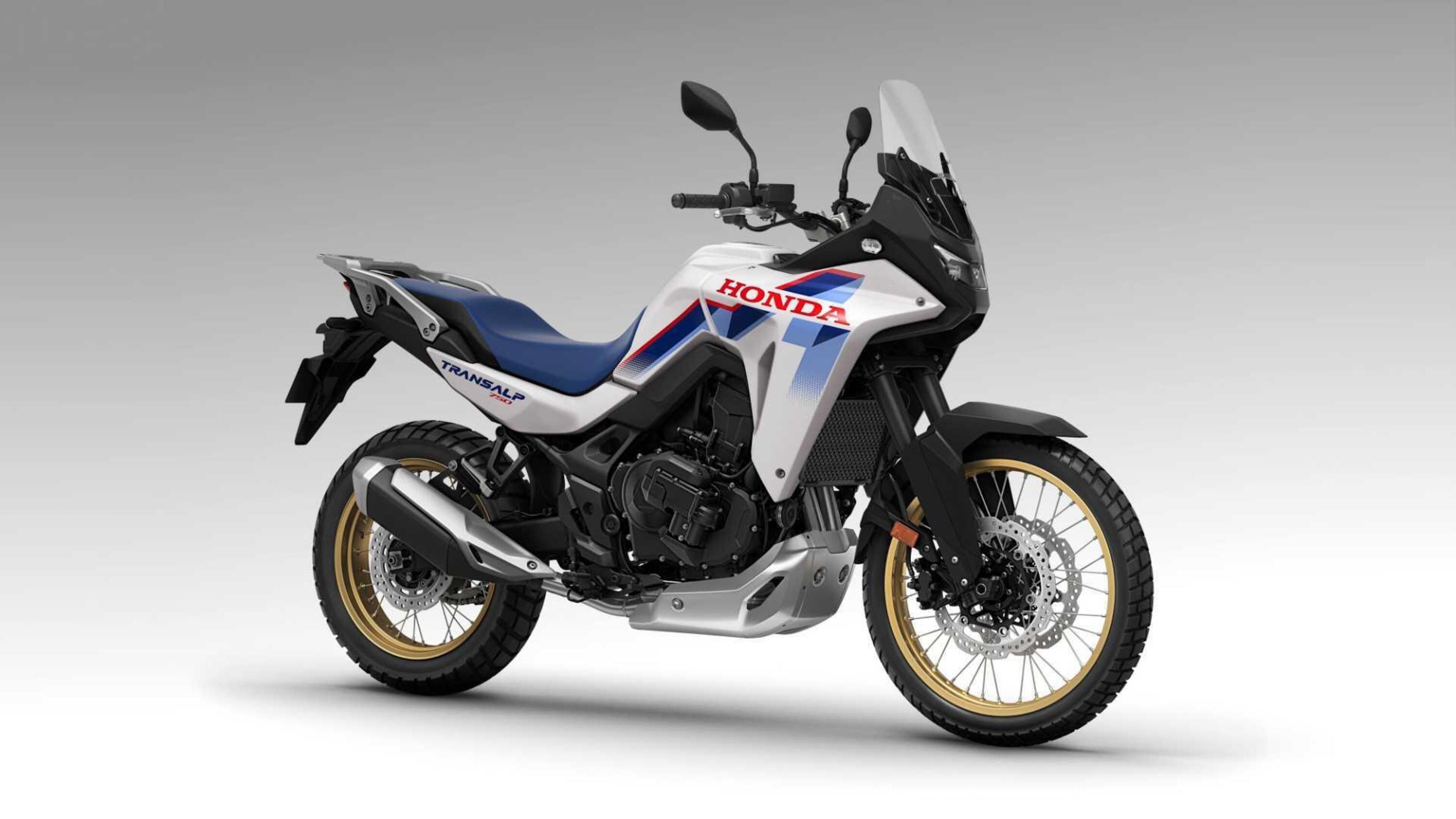
Honda's BigWing premium dealership network has received its 2026 update, headlined by the introduction of E-Clutch technology on the 755cc platform. The E-Clutch system allows riders to shift gears without operating the clutch lever, combining the convenience of an automatic with the control of a manual transmission.
The CB750 Hornet E-Clutch is priced at Rs 10.49 lakh and the XL750 Transalp E-Clutch at Rs 13.20 lakh (ex-showroom, Gurugram). Both share a 755cc parallel-twin engine producing 91.77hp and 75Nm, paired with Showa suspension, 5-inch TFT displays with Honda RoadSync connectivity, and multiple riding modes. The Transalp adds a dedicated Gravel mode and adventure-touring suspension.
At the top of the lineup, the Gold Wing continues at Rs 44.30 lakh with its 1833cc flat-six engine and 7-speed DCT, while the CBR1000RR-R Fireblade SP remains the flagship at Rs 33.50 lakh with 214hp, Ohlins Smart-EC 3.0 suspension, and Brembo Stylema R calipers.
The Shift to 125cc and 160cc
Honda has identified a clear trend: Indian buyers are moving away from the traditionally dominant 100cc commuter segment toward 125cc and 160cc motorcycles. Customers still value efficiency and affordability, but they also want more performance, more equipment, and more aspirational value.
This shift plays directly into Honda's strengths. The company has deep expertise in the 125cc-160cc range globally and is expected to bring updated versions of its popular models to capture this upgrade demand. Honda's flexible manufacturing approach means it can adjust production mix quickly based on market signals.
Electric Scooters: The Next Frontier
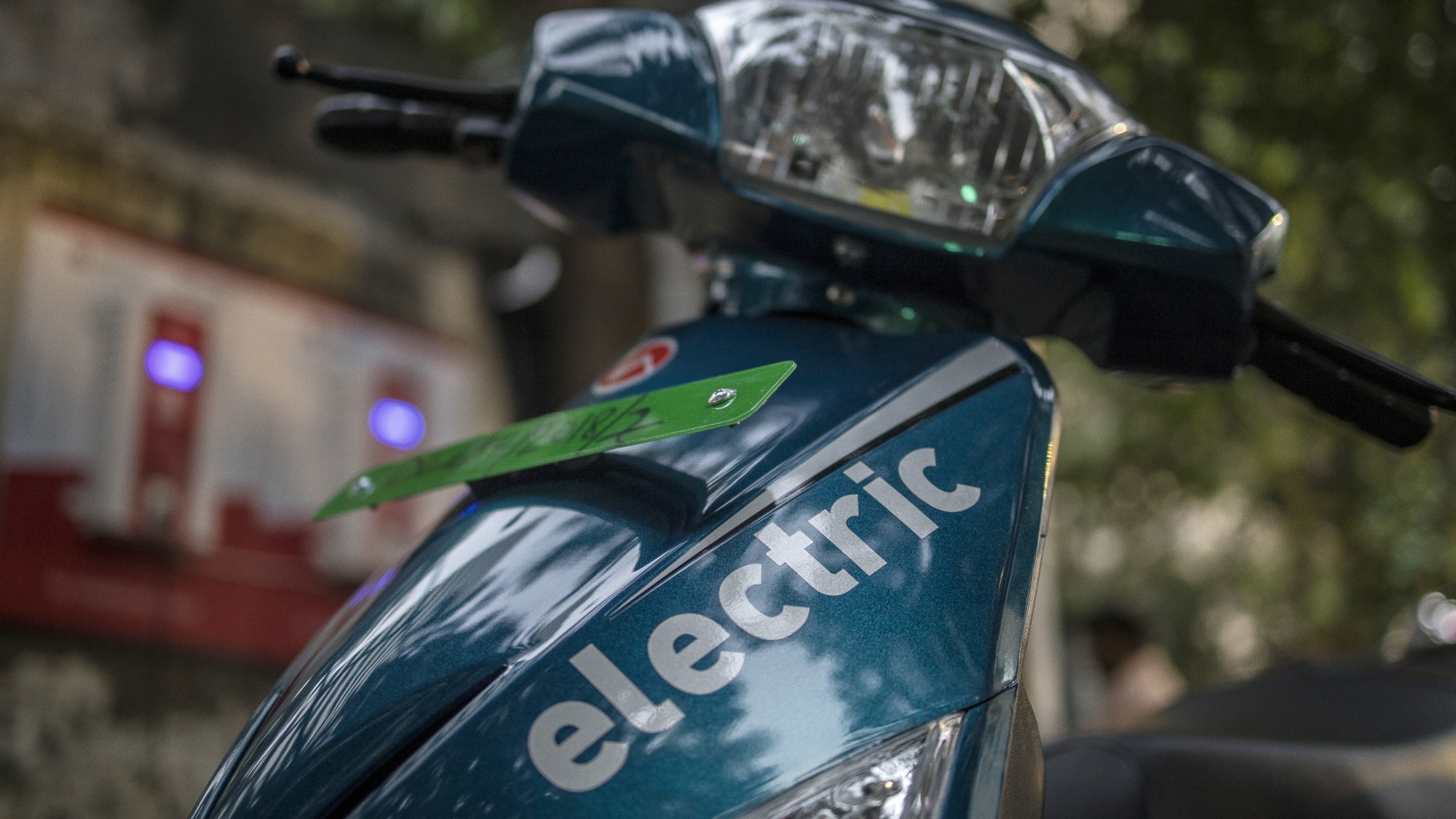
While Honda has been relatively quiet on the electric front in India compared to domestic players like Ola Electric and Ather, the company's latest announcements confirm that a serious EV push is coming. Honda is proceeding with plans for electric motorcycle models tailored to Indian customers and is moving forward with construction of a dedicated factory for electric models.
Honda President & CEO Tsutsumu Otani described electric mobility as "an important pillar" of the company's long-term vision, while emphasizing a balanced multi-pathway approach that includes ICE, electrification, and alternative fuels. The company is watching market developments closely and will time its EV launches based on demand signals and ecosystem readiness.
The Delhi EV policy, which will require all new two-wheeler registrations to be electric from April 2028, adds regulatory urgency. Honda has called it "a positive step" and is aligning its product strategy accordingly.
Bottom Line
Honda's India expansion is a bet on two trends: the upgrading Indian buyer who wants more motorcycle than a basic commuter, and the coming wave of electric two-wheeler adoption. With 8 million units of capacity, a growing premium lineup, and an EV factory on the way, Honda is positioning India as the engine of its global two-wheeler business for the next decade.