Tata Motors has finally done what enthusiasts have begged for over two decades. The Sierra is back. After 25 years in the wilderness, one of India's most beloved SUV nameplates has returned as a thoroughly modern compact SUV that takes direct aim at the Hyundai Creta and Kia Seltos. Here is everything you need to know.
What You Need to Know
- Tata's new Sierra is a compact SUV built on the Impact 2.0 design language, positioned below the Harrier in the lineup
- Powertrain options include a 1.5L turbo-petrol engine producing around 170 bhp, with a diesel variant expected to follow
- Pricing is set between Rs 10 lakh and Rs 17 lakh (ex-showroom), going head-to-head with the Creta and Seltos
- Feature highlights include a 10.25-inch touchscreen, Level 2 ADAS, 6 airbags standard, and a panoramic sunroof
The Sierra Legacy
The original Tata Sierra, launched in 1991, was a landmark vehicle for the Indian automotive industry. It was Tata Motors' first passenger SUV and one of the first sporty utility vehicles designed for Indian roads. With its distinctive two-door layout, sloping roofline, and glass area that wrapped around the rear, the Sierra stood out in a sea of boxy Maruti 800s and Hindustan Ambassadors.
Production ended in 2003, but the Sierra never truly left the public consciousness. It became a cult classic, regularly appearing at car meets and in wistful "bring it back" comments on automotive forums. Tata itself teased the revival multiple times through concept cars over the years, most notably at Auto Expo events. Now, the wait is over.
The new Sierra retains some spiritual DNA from the original, but it is an entirely modern vehicle. It sits on Tata's OMEGARC platform, a derivative of the Land Rover D8 architecture that also underpins the Harrier and Safari. That means the new Sierra shares structural rigidity and crashworthiness with vehicles from the Jaguar Land Rover stable.
Variants and Features
Tata is offering the Sierra in four broad trims: Smart, Pure, Creative, and Accomplished. Each variant is available with both manual and automatic transmission options.
The base Smart trim gets you a 7-inch touchscreen infotainment system with Android Auto and Apple CarPlay, 16-inch steel wheels, manual air conditioning, and dual front airbags. It is a sensible entry point for budget-conscious buyers.
Step up to Pure, and you add 16-inch alloy wheels, a reverse parking camera, steering-mounted audio controls, and Tata's iRA connected car technology with basic telematics.
The Creative trim is where the Sierra starts to feel genuinely premium. A 10.25-inch floating touchscreen, ambient lighting, push-button start, cruise control, and a cooled glovebox join the package. The exterior gains LED projector headlamps and a more upmarket grille finish.
The range-topping Accomplished variant throws everything at the wall. You get a panoramic sunroof, ventilated front seats, a 7-inch digital instrument cluster, wireless phone charging, and the full suite of iRA connected features including remote engine start, geofencing, and vehicle tracking. Safety is comprehensive with 6 airbags, electronic stability control, ISOFIX child seat anchors, and Level 2 ADAS that includes autonomous emergency braking and lane keep assist.
Price Comparison
The new Sierra is priced aggressively to disrupt the segment that the Hyundai Creta and Kia Seltos have dominated for years.
- Tata Sierra: Rs 10.00 lakh to Rs 17.00 lakh
- Hyundai Creta: Rs 11.00 lakh to Rs 19.20 lakh
- Kia Seltos: Rs 10.90 lakh to Rs 19.50 lakh
Tata undercuts both rivals at the entry level by nearly a lakh, and the top-end Accomplished variant with the 1.5L turbo-petrol DCT comes in around Rs 17 lakh, significantly below the fully loaded Creta and Seltos that push past Rs 19 lakh. However, Hyundai and Kia offer diesel powertrains across more variants, whereas Tata is expected to launch the Sierra diesel later in the year.
Design and Powertrain
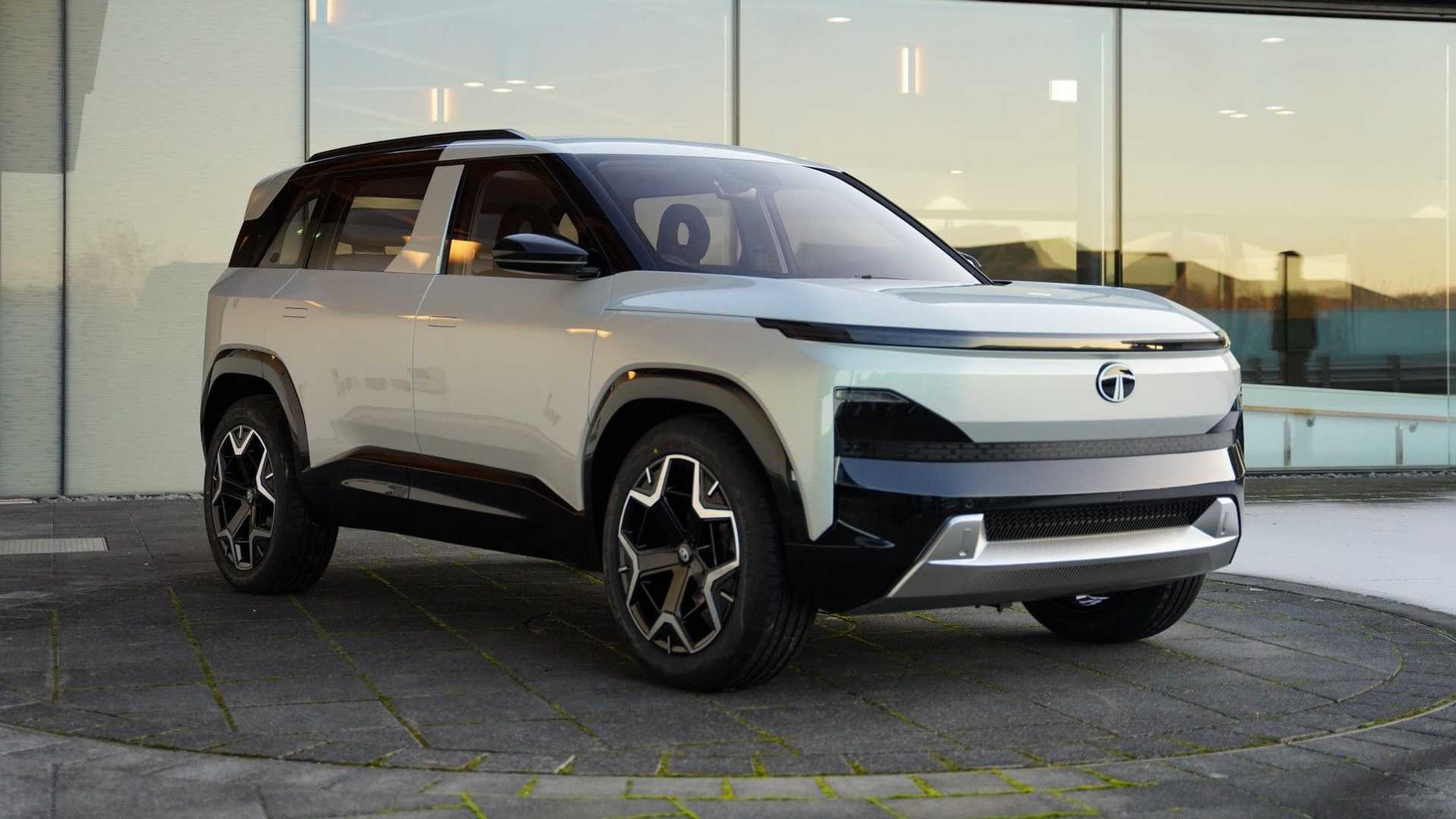
The new Sierra wears Tata's Impact 2.0 design language with a bold front grille, split LED headlamps that form a distinctive DRL signature, and strong shoulder lines. The roofline slopes at the rear, echoing the original Sierra's profile while maintaining proper rear headroom and a usable 425-litre boot.
Under the hood, the 1.5L Revotron turbo-petrol engine pushes 170 bhp and 280 Nm of torque. It is paired with either a 6-speed manual or a 7-speed dual-clutch automatic. The diesel variant, once it arrives, will likely use the 1.5L Revotorq unit producing 115 bhp and 260 Nm. Mileage is expected to hover between 16 kmpl and 18 kmpl depending on the variant.
Bottom Line
The Tata Sierra's return is more than nostalgia. It is a well-judged compact SUV that brings genuine value to a fiercely competitive segment. With strong safety credentials, a feature-rich cabin, and a starting price that undercuts the Korean competition, the Sierra has the makings of a volume driver for Tata Motors. The diesel can't come soon enough, but the petrol variants are compelling enough to put the Sierra back on India's roads in significant numbers.