Nissan has officially launched the Tekton midsize SUV in India at an introductory price of Rs 10.49 lakh (ex-showroom), marking the Japanese automaker's return to the country's most competitive automotive segment. The Tekton is available in 12 variants across six trim levels with two turbo-petrol engine options, and it effectively replaces the aging Nissan Kicks as the brand's volume player in the SUV space.
Built at the Renault-Nissan alliance plant in Oragadam near Chennai, the Tekton shares its platform and dimensions with the recently launched Renault Duster. With prices extending up to Rs 18.59 lakh for the top-spec variant, Nissan is taking direct aim at the Hyundai Creta, Kia Seltos, Maruti Grand Vitara, and Tata Sierra.
What You Need to Know
- The Nissan Tekton starts at Rs 10.49 lakh and goes up to Rs 18.59 lakh (ex-showroom), with introductory pricing valid for the first 10,000 customers
- Two turbo-petrol engines are available: a 1.0-litre (100hp/166Nm) with a 6-speed manual, and a 1.3-litre (163hp/280Nm) with either a 6-speed manual or a 6-speed DCT automatic
- The SUV comes with Level 2 ADAS, a 360-degree camera, six airbags, a panoramic sunroof, and a 5-star Bharat NCAP safety rating
- Deliveries begin July 20, with exports to nearly 50 countries planned from the Chennai plant
Engines and Performance
Nissan is offering two turbo-petrol powertrains with no diesel or hybrid option. The entry-level T160 uses a 1.0-litre three-cylinder turbo-petrol producing 100hp and 166Nm, paired exclusively with a 6-speed manual gearbox. This engine is available across the lower four trim levels, making it accessible from the Rs 10.49 lakh base price.
The more powerful T280 uses a 1.3-litre four-cylinder turbo-petrol that generates 163hp and 280Nm. It comes with either a 6-speed manual or a 6-speed wet dual-clutch automatic transmission. The T280 is available from the Acenta trim upwards, with prices starting at Rs 14.99 lakh.
Both engines are refined for their class, but the 1.3-litre unit is the one that puts the Tekton on equal footing with rivals. It produces the same power as the Creta's 1.5-litre turbo-petrol (160hp) and actually exceeds the Grand Vitara's strong hybrid system in outright output.
Variant Walkthrough
The lineup spans six trim levels: Visia, Visia+, Acenta, N-Connecta, Tekna, and Tekna+. The base Visia T160 MT starts at Rs 10.49 lakh and includes dual front airbags, a 8-inch touchscreen, and 16-inch steel wheels. Step up to the Tekna+ T280 DCT at Rs 18.59 lakh, and you get a 10.1-inch freestanding touchscreen with Google built-in, a 10.25-inch digital driver display, a panoramic sunroof, ventilated front seats, a wireless charger, a powered tailgate, Level 2 ADAS, six airbags, a 360-degree camera, and 18-inch alloy wheels.
The Tekna+ also features a distinctive rose gold and burgundy dual-tone cabin that sets it apart visually from its Renault twin.
How It Compares to Rivals
The midsize SUV segment in India is fiercely contested. The Hyundai Creta (Rs 11.03 lakh to Rs 20.15 lakh) remains the segment leader with its strong petrol and diesel lineup and comprehensive feature list. The Kia Seltos (Rs 10.89 lakh to Rs 20.30 lakh) competes with a similarly broad range. The Maruti Grand Vitara (Rs 11.60 lakh to Rs 20.12 lakh) offers a strong hybrid option that the Tekton cannot match.
Where the Tekton differentiates itself is in standard safety. Every variant gets six airbags, electronic stability control, and a 5-star Bharat NCAP rating. The base Tekton undercuts the Creta's base price by over Rs 50,000 and comes with more standard safety equipment. The introductory pricing, which includes a 3+2 year warranty and five years of prepaid maintenance for the first 10,000 buyers, adds further value.
However, the lack of a diesel engine is a limitation in a segment where many buyers still prefer diesel for fuel economy on long drives. And while the 1.0-litre engine keeps the entry price low, it may feel underpowered for a vehicle of this size, especially on highways.
Design and Interior
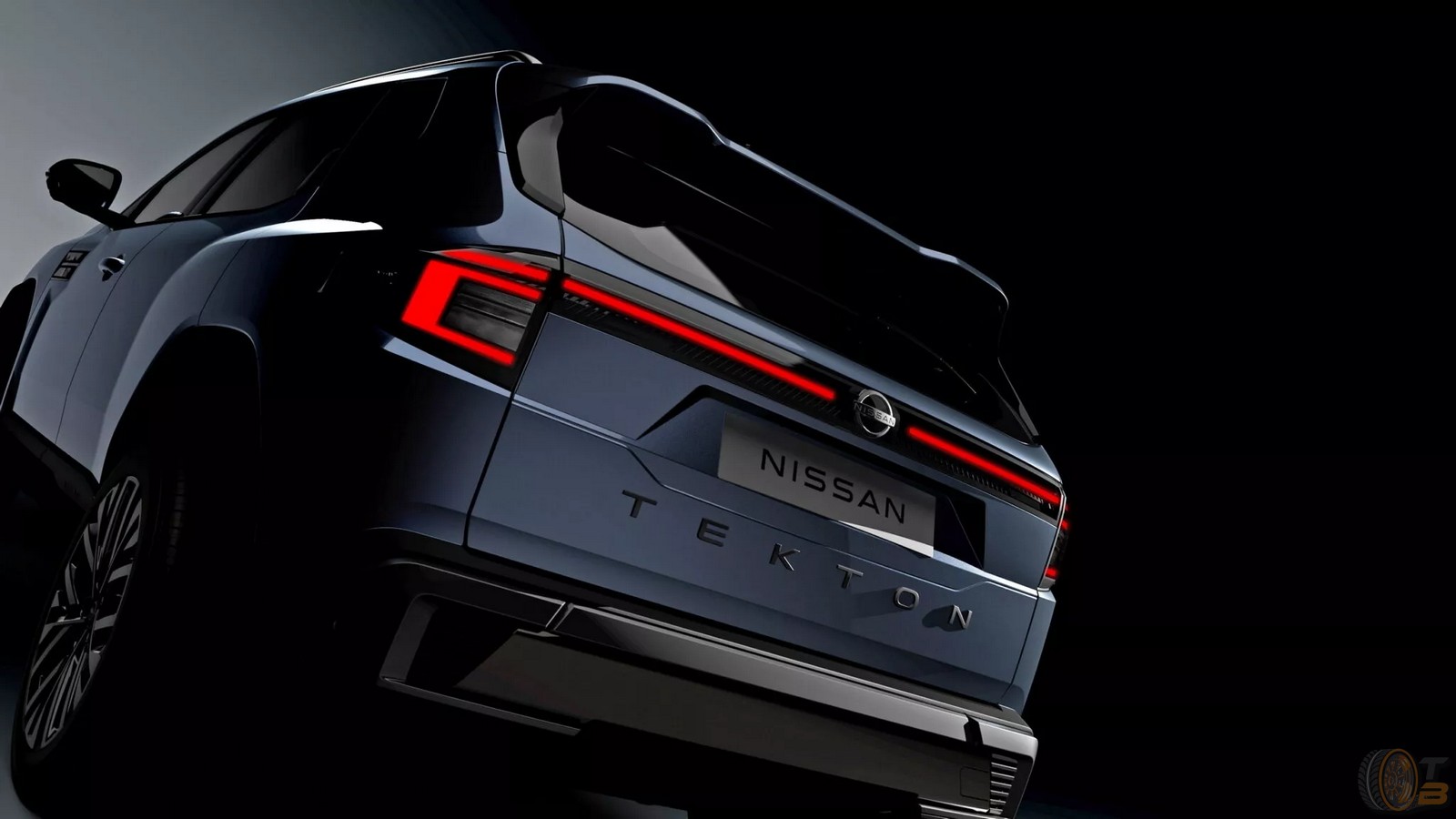
The Tekton measures 4,348mm in length, 1,815mm in width, and 1,674mm in height, with a 700-litre boot. The design is sharp and modern, with Nissan's signature V-motion grille, split LED headlamps, and strong shoulder lines. Four interior themes and 11 exterior color options are available, with over 50 factory-backed accessory combinations.
The dual-screen dashboard, Google built-in integration, and the option of ventilated seats give the cabin a premium feel that rivals the Creta and Seltos. The 700-litre boot is among the largest in the segment.
Bottom Line
The Nissan Tekton is a strong entry into India's midsize SUV segment. It matches its rivals on features, exceeds them on standard safety, and undercuts them on base price. The lack of a diesel or hybrid option will limit its appeal for some buyers, but for anyone looking for a well-equipped, safe, and competitively priced petrol SUV, the Tekton deserves a close look. Nissan's challenge now is convincing buyers to choose a brand that has long been a single-product player in India.