Mercedes-Benz India has cautioned that Delhi's new electric vehicle policy could unintentionally slow EV adoption in the premium segment by restricting tax benefits to cars priced below Rs 30 lakh. The warning comes even as the luxury carmaker posted its best-ever first-half sales, driven by strong demand for the all-electric CLA.
Santosh Iyer, Managing Director and CEO of Mercedes-Benz India, told ETAuto that the company's EV penetration has climbed to around 14 percent from 8-10 percent earlier, with the CLA emerging as the biggest contributor to the shift.
What You Need to Know
- Delhi's new EV policy offers 100% road tax and registration waiver only for EVs priced up to Rs 30 lakh
- Mercedes-Benz India warns this could push premium EV buyers toward equivalent combustion-engine models
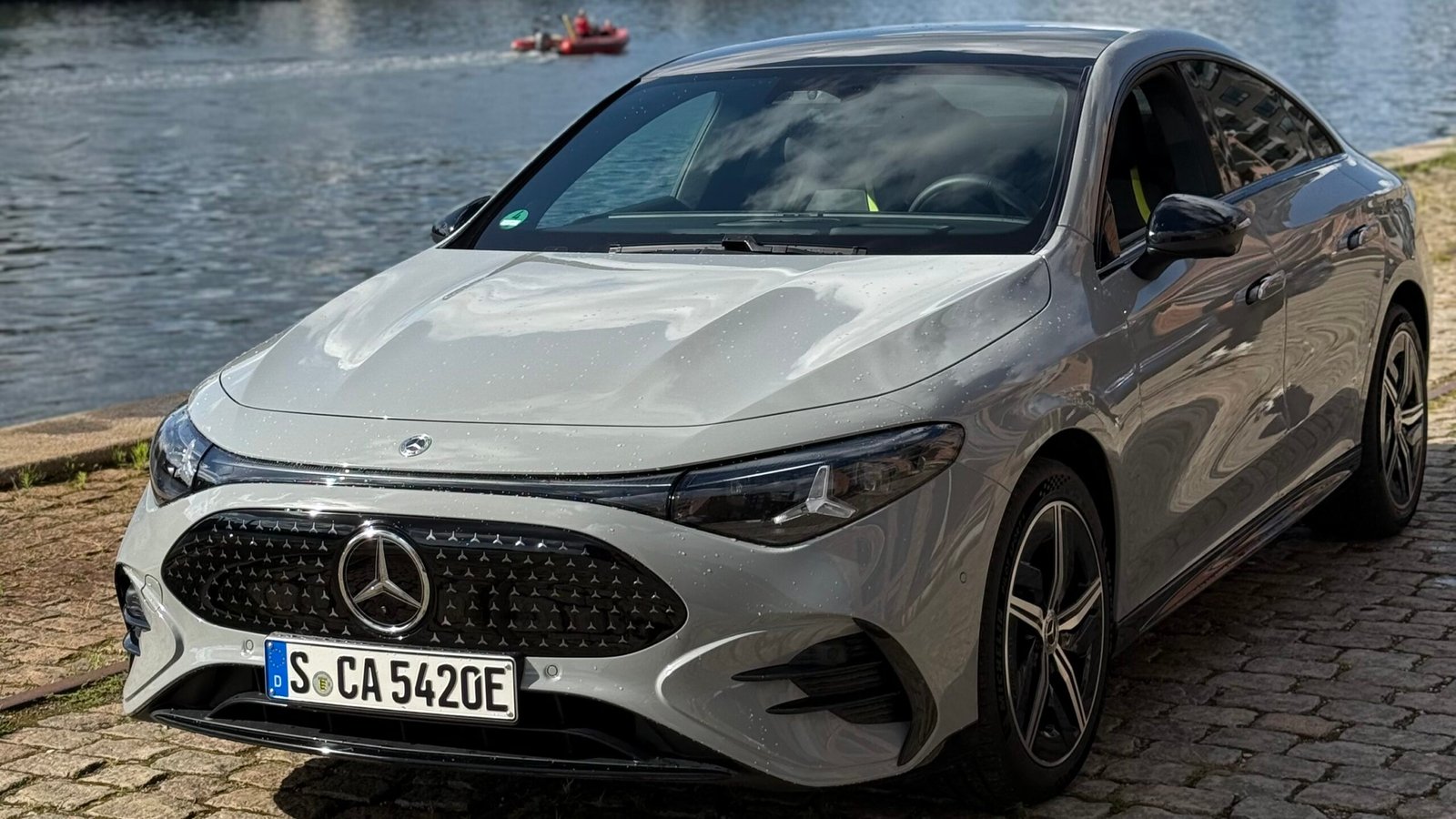
- The carmaker's EV penetration has risen to 14% driven by the CLA sedan priced around Rs 60 lakh
- Mercedes-Benz recorded its highest-ever H1 sales in India at 9,768 units
The Policy and Its Price Cap
Delhi's EV Policy 2026 took effect on July 1 and runs through March 2030. It offers a full waiver on road tax and registration fees for electric cars with an ex-showroom price of Rs 30 lakh or below. Vehicles priced above that threshold do not qualify for the exemption, meaning their on-road prices will include applicable taxes.
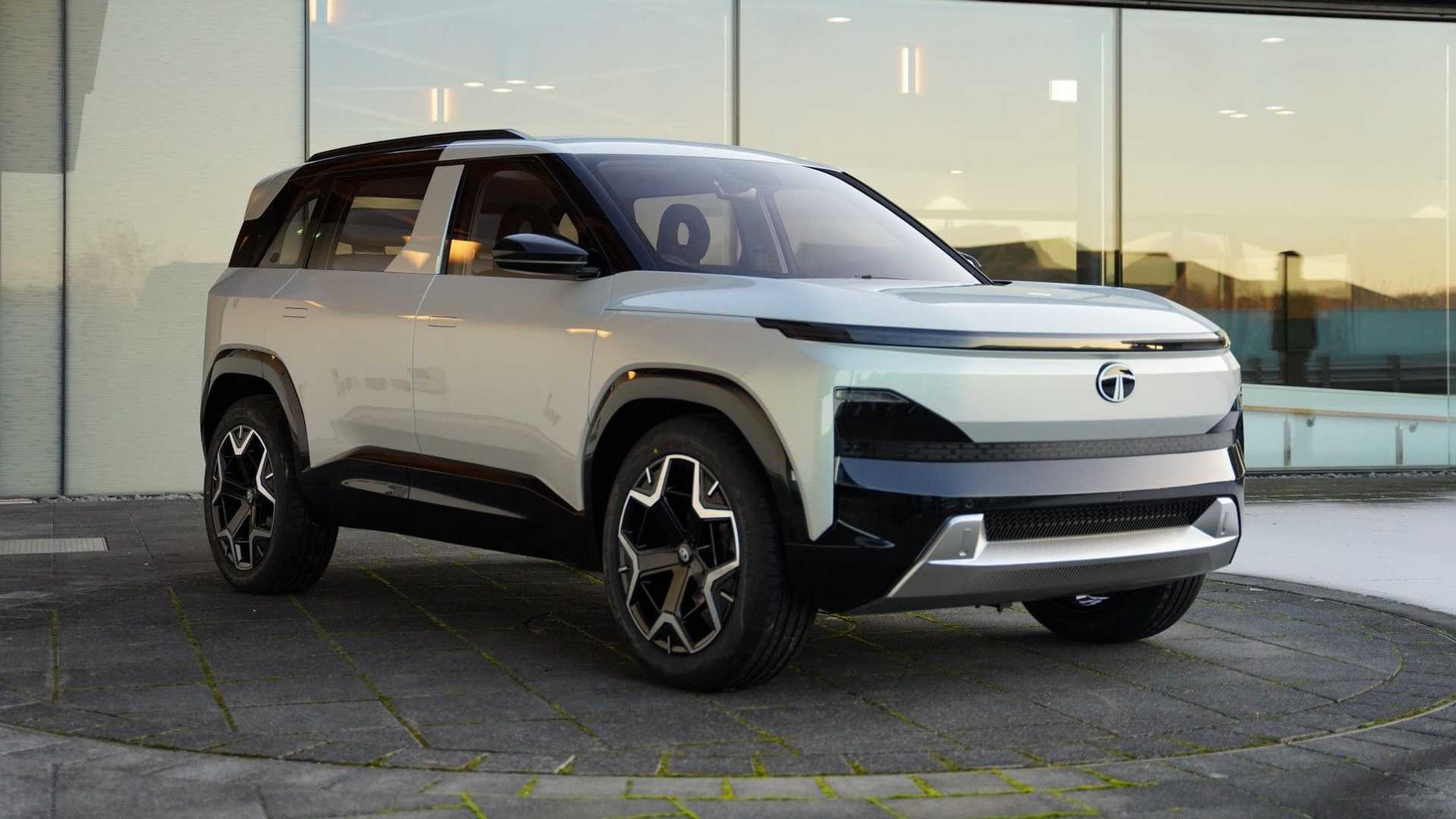
The policy covers a wide range of mass-market EVs from Tata, MG, Mahindra, and VinFast. Models like the Tata Nexon EV, MG Windsor, and Mahindra BE 6 fall within the price cap. However, nearly every luxury EV on the market exceeds it, including the Mercedes-Benz CLA, EQS SUV, BMW i7, and Porsche Macan EV.
Why Mercedes-Benz Is Concerned
Iyer argued that the price cap works against the broader goal of decarbonization. "If the tailpipe emission has to be zero, it does not matter whether it is a luxury car or a mass-market car," he said. In his view, taxing luxury EVs more heavily than their combustion-engine counterparts creates the wrong incentive.
Premium buyers weigh total cost of ownership when making purchase decisions. If a luxury EV becomes more expensive than an equivalent petrol or diesel model due to the lack of tax benefits, buyers may choose the ICE vehicle instead. "The end objective is decarbonization. If the EV becomes more expensive than the ICE alternative, the customer may buy the combustion-engine vehicle, resulting in another ICE car on the road," Iyer warned.
He cited Telangana as a real-world example. When the state withdrew EV incentives, Mercedes-Benz saw EV penetration drop. After incentives were restored, penetration climbed back above 20 percent.
Record Sales Backed by EV Growth
Mercedes-Benz India posted its highest-ever first-half sales at 9,768 units between January and June 2026, a 9 percent increase over the same period last year. The growth was driven by top-end luxury models and battery electric vehicles.
The CLA, priced at around Rs 60 lakh, has been a significant driver of this shift. "The success of the CLA clearly shows that our customers prefer value over price," Iyer said, noting that the electric sedan has expanded the company's EV customer base without relying on aggressive pricing.
What the Policy Gets Right
The Delhi policy is not without merit. For mass-market EV buyers, the full road tax and registration waiver significantly lowers the upfront cost of ownership. The policy also allocates Rs 15,000 crore toward EV adoption and includes scrappage incentives of up to Rs 1 lakh for those replacing old petrol or diesel vehicles with EVs.
From January 2027, only electric three-wheelers and goods carriers will be allowed new registrations in Delhi. From April 2028, new petrol-powered two-wheelers will also be restricted. These measures signal a clear long-term commitment to electrification.
The Gap in the Strategy
The concern raised by Mercedes-Benz highlights a gap in how EV policy is structured. Price-based incentives accelerate adoption in the mass market but can inadvertently penalize the premium segment where per-vehicle emission reduction is just as meaningful.
Iyer has consistently recommended that EV incentives remain technology-focused rather than price-based. The argument is straightforward: a Rs 60 lakh EV replacing a Rs 60 lakh petrol car delivers the same zero-tailpipe-emission benefit as a Rs 10 lakh EV replacing a Rs 10 lakh petrol car.
Bottom Line
Delhi's EV policy is a strong step toward mass-market electrification, but its Rs 30 lakh price cap creates a blind spot for luxury EVs. As Mercedes-Benz and other premium brands push deeper into electric mobility, policymakers may need to reconsider whether price-linked incentives are the most effective way to achieve zero-emission goals across all segments.