BMW Group India has overtaken Mercedes-Benz in retail sales for the first half of 2026, marking a historic shift in the country's luxury car market. According to Vahan registration data for January-June, BMW sold 10,043 vehicles against Mercedes-Benz's 9,472 units.
The gap of 571 units may look narrow, but it ends Mercedes-Benz's years-long grip on the top spot. BMW grew 15 percent year-on-year while the overall luxury market grew only 4 percent. Mercedes-Benz registrations actually declined 3 percent over the same period.
How BMW Did It
BMW's rise is not the result of a single lucky quarter. The company has been systematically building toward this moment with four strategic pillars.
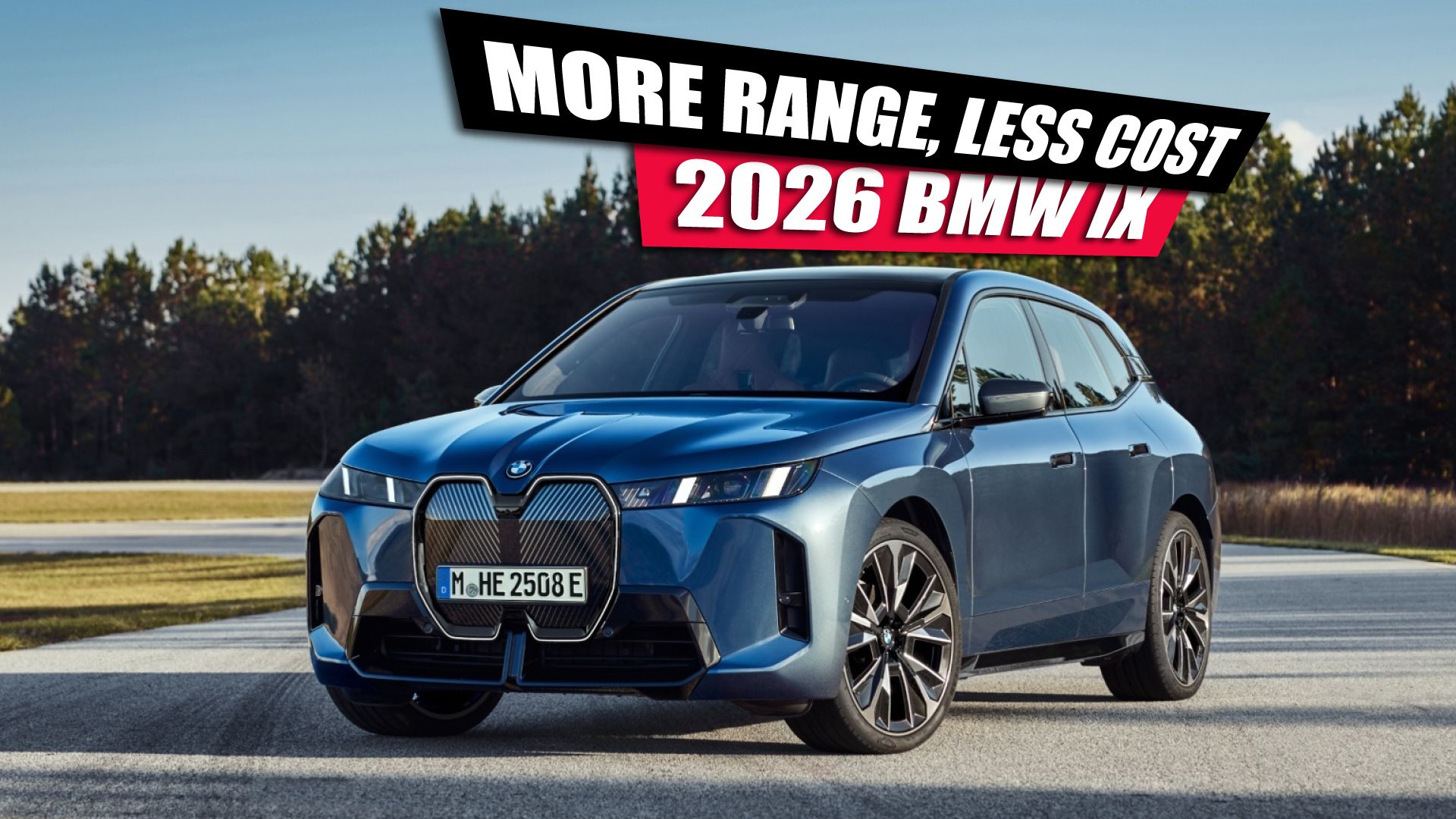
The first is electrification. BMW is India's undisputed luxury EV leader with a 69 percent share of the luxury EV segment. It sold 2,359 electric vehicles in H1 alone, with EVs now accounting for one in every four BMW sales in India. Models like the iX1, i4, i5, and iX have built a strong premium EV lineup that Mercedes-Benz has struggled to match.
The second is geographic expansion. BMW has increased its presence to 40 cities across India and plans to enter 10 more. This Tier-II push has opened up a new cohort of affluent buyers in cities like Lucknow, Indore, Coimbatore, and Kochi where local dealerships are driving fresh demand.
The third is product velocity. BMW planned 27 product actions in 2026 including new models, facelifts, special editions, and EV introductions. The long-wheelbase 5 Series and iX1 were among the top sellers, while the MINI brand added over 500 units to the total.
The fourth is affordability within luxury. BMW's growth has been led by relatively more accessible models at the lower end of the luxury segment, whereas Mercedes-Benz has focused increasingly on top-end vehicles priced above Rs 1 crore.
Mercedes-Benz Is Not Standing Still
Mercedes-Benz reported its highest-ever H1 sales of 9,768 units on a retail basis (the discrepancy with Vahan data is due to different counting methods across dealer networks). Its Top-End Luxury portfolio, including Mercedes-Maybach, AMG, S-Class, and EQS SUV, grew more than 20 percent and now accounts for 28 percent of total sales.
AMG sales surged 50 percent in H1, and the CLA BEV sold out shortly after launch with waiting periods stretching to nearly six months. Mercedes-Benz is also expanding into emerging markets, with five new dealerships planned including one in Varanasi.
Santosh Iyer, MD and CEO of Mercedes-Benz India, told the media that the company's record H1 performance validates its strategy of focusing on desirable products rather than chasing volume.
The Luxury Market Picture
India's luxury car market reached 26,688 retail registrations in H1 2026, growing 4 percent year-on-year. The two German giants together control nearly 75 percent of the segment. Behind them, JLR sold 5,698 units in FY26, Volvo managed 1,647, and Audi slipped to just 248 units.
What stands out is the rapid EV adoption in luxury. BMW alone sold more luxury EVs than most carmakers sold total luxury cars. The segment is also seeing strong demand for long-wheelbase sedans and premium SUVs, two body styles where BMW has invested heavily.
What Happens Next
The second half of 2026 will determine whether BMW can hold the lead or Mercedes-Benz reclaims the top spot. BMW has one of its biggest product offensives planned for H2, while Mercedes-Benz is banking on new launches including the upcoming models from its record 2026 product pipeline.
For buyers, this rivalry is excellent news. Both brands are launching more models, expanding service networks, and competing aggressively on pricing and financing. Whether you prefer BMW's EV-led approach or Mercedes-Benz's focus on top-end luxury, the competition is pushing both brands to offer more for less.
Bottom Line
BMW's H1 2026 victory over Mercedes-Benz is a genuine milestone for India's luxury car market. It reflects a fundamental shift in strategy, product, and geography that has been years in the making. But with a few hundred units separating the two, and both brands planning aggressive second-half pushes, the crown could change hands again before the year ends.