
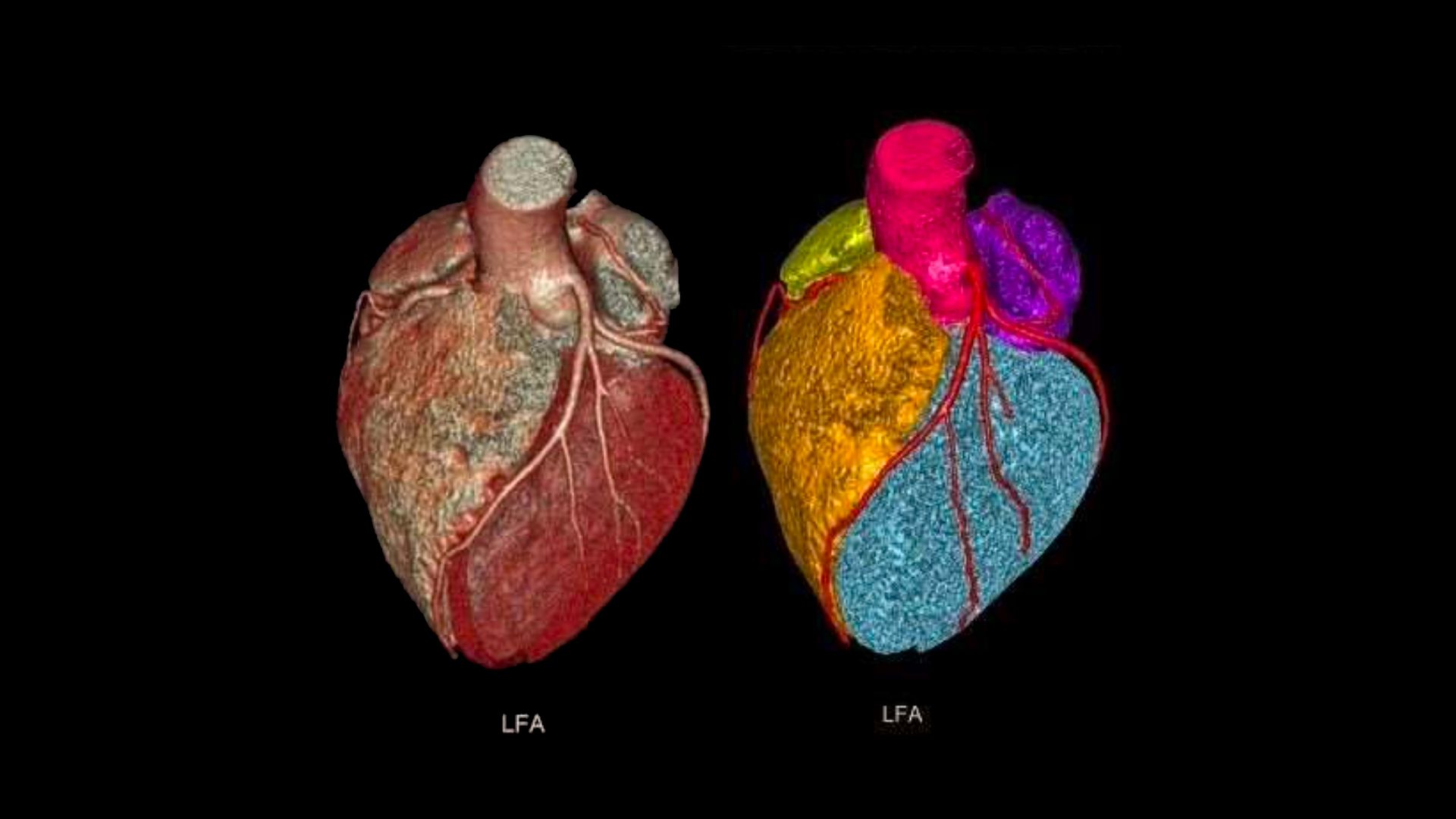
A new study using artificial intelligence to analyze routine heart scans has found a surprising predictor of heart attack risk: the density of your chest and back muscles. The research suggests that people with higher quality skeletal muscle in their upper body are significantly less likely to suffer a heart attack or die prematurely -- regardless of how much muscle they actually have.
What You Need to Know
- AI analysis of CT scans from 1,722 adults found that denser chest and back muscles strongly correlate with lower heart attack risk
- Each 10-point increase in muscle density (brightness on scan) was linked to a 31% lower risk of heart attack and 39% lower risk of death over 10 years
- Muscle size did not matter -- it is the quality and composition of the tissue that counts
- The AI completed the analysis in under a minute, compared to hours for a radiologist
What the Study Found
Researchers from the University of Edinburgh, with funding from the British Heart Foundation, analyzed coronary computed tomography angiogram scans from 1,722 adults -- mostly in their 50s -- who were part of the Scottish Computed Tomography of the Heart trial. Using AI, they examined the density of skeletal muscles visible in the scans: primarily the back muscles, pectoral muscles, and intercostal muscles between the ribs.
The key metric was muscle attenuation -- how bright or dark the muscle appeared on the scan. Denser, higher-quality muscle appears brighter because it contains less fat. The researchers discovered that people whose scans showed brighter muscle had dramatically better health outcomes over the next decade.
For every 10-point increase in scan brightness, indicating better quality muscle with less fat infiltration, a person was 31% less likely to have a heart attack and 39% less likely to die in the 10-year follow-up period. Conversely, those with below-average muscle density had an 85% higher risk of death and a 58% higher risk of heart attack.
Crucially, the size of the muscles did not matter. It is not about being visibly muscular -- it is about the composition of the tissue. Good-quality muscle in the chest and back is likely a reflection of good muscle quality throughout the body.
Why Muscle Quality Matters
The fat that infiltrates low-quality muscle is similar in character to the marbling in Wagyu beef. This intermuscular fat has been previously linked to poor cardiovascular health, and the new study confirms that its presence in upper body muscle tissue is a strong marker of overall health risk.
Professor Michelle Williams, senior author of the study, said: "It is fascinating that people's skeletal muscle could be linked to their risk of having a heart attack. The muscles which show up in the scans we used are principally the back muscles, part of the pectoral muscles and the intercostal muscles between the ribs."
The AI accomplished in under one minute what would take a radiologist several hours to do manually. This speed makes it feasible to add muscle quality analysis to routine heart scans without slowing down clinical workflows.
What This Means for You
The findings suggest that routine heart CT scans could be used to flag people with poor muscle quality who may be at elevated risk. These individuals could then be offered targeted interventions: exercise programs, closer monitoring, or preventive medications such as statins.
The researchers emphasize that all forms of exercise -- not just strength training -- can improve muscle density. The link is likely behavioral: people with denser muscle tend to be more physically active, and that active lifestyle protects the heart in multiple ways.
Bottom Line
Stronger chest and back muscles are not just about looking good -- they may be a window into your heart health. This study adds to the growing evidence that muscle quality is a vital health marker that doctors should pay attention to, and that AI can help spot the warning signs hidden in plain sight.