
People whose jobs require constant navigation, such as taxi and ambulance drivers, may have a significantly lower risk of dying from Alzheimer's disease, according to a large study published in the British Medical Journal.
Researchers at Harvard University examined the employment histories and causes of death of millions of Americans across nearly 400 occupations. They found that taxi drivers and ambulance drivers had the lowest proportion of deaths linked to Alzheimer's disease compared to any other profession.
What You Need to Know
- Harvard study of millions of workers across 400 occupations found taxi and ambulance drivers had lowest Alzheimer's death rates
- Bus drivers who follow fixed routes did not show the same protection
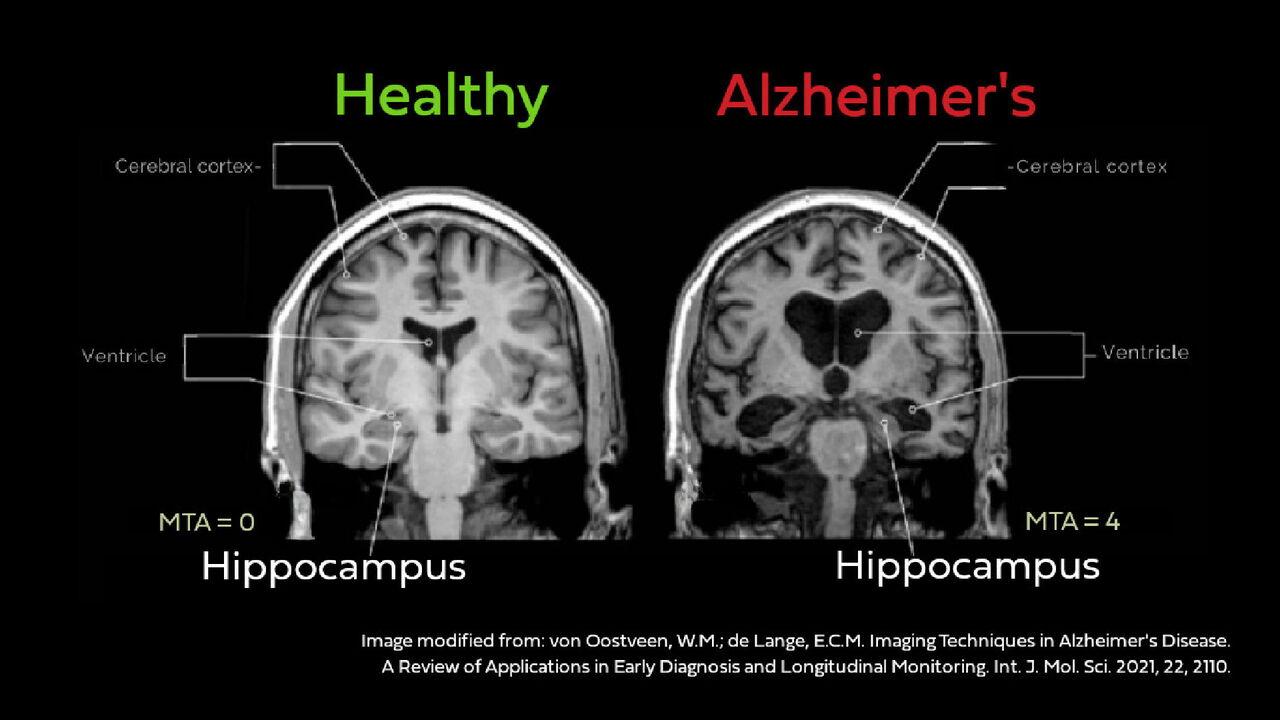
- Frequent navigation may strengthen the hippocampus, the brain's memory center
- Experts caution the study shows correlation, not causation
How Navigation Affects the Brain
The hippocampus, a seahorse-shaped structure deep in the brain, is essential for spatial memory and navigation. It is also one of the first regions affected by Alzheimer's disease. The researchers suggest that constant route planning, street memorization, and adaptation to unfamiliar locations may strengthen this region over time.
Bus drivers, who typically follow fixed routes, did not show the same apparent protection. This contrast supports the theory that active navigational effort, not just driving, is what matters.
Earlier research from University College London found that London taxi drivers preparing for the city's famously demanding "Knowledge" examination developed a larger hippocampus after years of intensive navigation training. Researchers compared the effect to strengthening a muscle through repeated exercise. A larger or more resilient hippocampus may provide greater cognitive reserve, allowing the brain to better cope with age-related changes.
What the Study Found
After adjusting for age, gender, education, and ethnic background, the researchers found that approximately 1.03 percent of taxi drivers and 0.74 percent of ambulance drivers died from Alzheimer's disease, compared to 1.69 percent in the general population.
The study's authors wrote that their findings "raise the possibility that frequent navigational and spatial processing tasks might be associated with some protection against Alzheimer's disease."
Experts Urge Caution
The study is observational and does not prove that navigation prevents dementia. One important limitation is that taxi and ambulance drivers in the study had shorter average lifespans than those in many other professions. Since Alzheimer's primarily affects older adults, dying younger naturally reduces the likelihood of developing the condition. However, the researchers adjusted for age differences and still found a significant association.
Another factor is changing technology. Many drivers in the historical data relied on memory rather than GPS. With satellite navigation now widely used, future studies may produce different results.
Professor Robert Howard of University College London noted that "individuals with better navigational and spatial skills flourish in these jobs" rather than the jobs themselves creating protection.
Practical Takeaways
While no single activity can prevent Alzheimer's, the research reinforces broader evidence that keeping the brain mentally engaged supports healthy aging. Experts suggest exploring new places without relying entirely on GPS, walking in unfamiliar environments, solving spatial puzzles, exercising regularly, and maintaining strong social connections.
The hippocampus responds to use. Regular navigational challenges, whether through driving, walking, or mental exercises, may help build the cognitive reserve that protects against age-related decline.
Bottom Line
The BMJ study adds to growing evidence that spatial navigation exercises may help protect the brain against Alzheimer's disease. While the findings do not prove causation, they suggest that regularly challenging your navigational skills could be one more tool in the fight against cognitive decline.