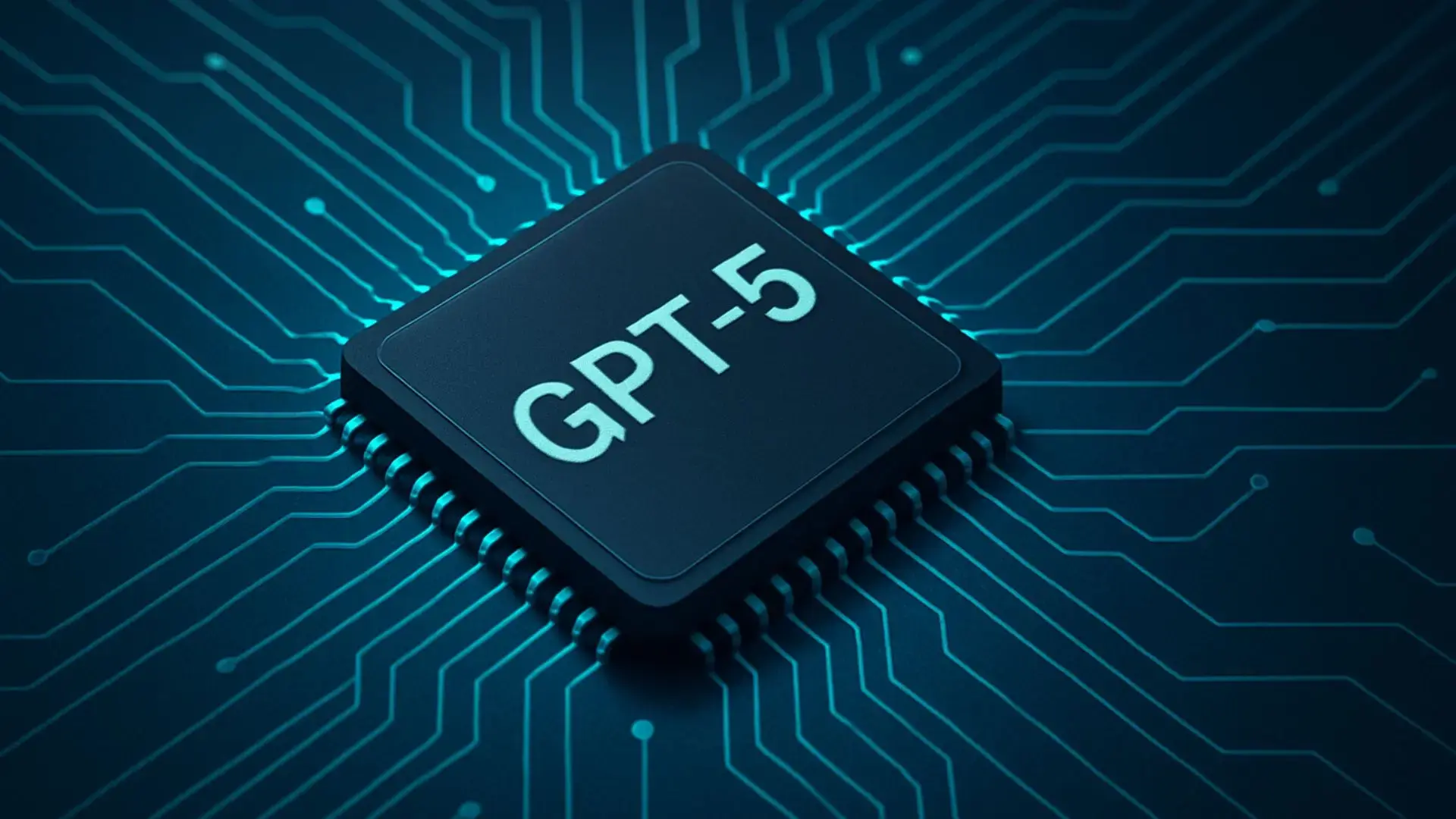
OpenAI has pulled back the curtain on its next-generation AI models, revealing three distinct variants of GPT-5.6 named Sol, Terra, and Luna. But despite the reveal, the company is keeping these models tightly locked down, restricting access to a select group of US government agencies and enterprise partners.
What You Need to Know
- OpenAI revealed three GPT-5.6 variants: Sol (flagship), Terra (balanced), and Luna (efficient)
- Access is limited to US government agencies and select enterprise partners
- No timeline for public release or API availability
- Sol reportedly achieves breakthrough reasoning performance on complex benchmarks
- The restricted access model signals a strategic shift in how OpenAI deploys frontier AI
The Three Variants
GPT-5.6 Sol is the flagship model, designed for complex reasoning and analysis tasks. Early benchmarks suggest it significantly outperforms GPT-4 and GPT-5 on mathematical reasoning, code generation, and scientific analysis. OpenAI describes Sol as "our most capable reasoning model to date."
GPT-5.6 Terra is a balanced variant optimized for general-purpose enterprise workloads. It retains much of Sol reasoning capability while being more computationally efficient, making it suitable for deployment at scale in business environments.
GPT-5.6 Luna is the smallest and most efficient variant, designed for edge deployment and scenarios where compute resources are limited. Despite its smaller size, Luna reportedly matches GPT-4 performance on most standard benchmarks while using a fraction of the computational resources.
Restricted Access
The key twist is that none of these models are available to the general public. OpenAI has implemented what it calls a "controlled access framework" that limits deployment to:
- US federal agencies including the Department of Defense and intelligence community
- Approved enterprise partners under strict usage agreements
- Academic research institutions with national security clearance
The company has not provided any timeline for broader release or API availability. Industry analysts say this represents a fundamental shift in OpenAIs deployment strategy, moving away from the public-facing model that made ChatGPT a household name.
Why the Lockdown
OpenAI cited safety concerns as the primary reason for the restricted release. The company statement noted that the models capabilities "raise significant considerations around misuse and dual-use applications" that require careful oversight.
The decision also reflects the changing regulatory landscape around frontier AI. With the EU AI Act now in full effect and similar legislation advancing in the US, OpenAI appears to be taking a deliberately cautious approach to deploying its most powerful systems.
Some analysts speculate the restricted access is also a competitive move. By keeping Sol, Terra, and Luna exclusive, OpenAI can maintain leverage with government and enterprise customers while limiting exposure of its technology to competitors like Anthropic, Google DeepMind, and xAI.
What This Means for Developers
For the broader AI developer community, the locked-down release is disappointing. Many had hoped GPT-5.6 would bring significant improvements to publicly available AI tools. Instead, independent developers and startups will continue working with GPT-4 and GPT-5 while the most capable models remain behind closed doors.
The situation mirrors the growing divide in AI access. Large enterprises and government agencies get cutting-edge capabilities while smaller players, researchers, and the general public make do with older technology. Critics argue this concentration of AI capability risks creating a two-tier system where advanced AI is reserved for the powerful.
Bottom Line
OpenAI reveal of GPT-5.6 Sol, Terra, and Luna showcases remarkable technical progress, but the restricted access model raises important questions about who gets to benefit from the most advanced AI systems. For now, the frontier of AI capability remains firmly behind closed doors, accessible only to those with the right connections and clearance.