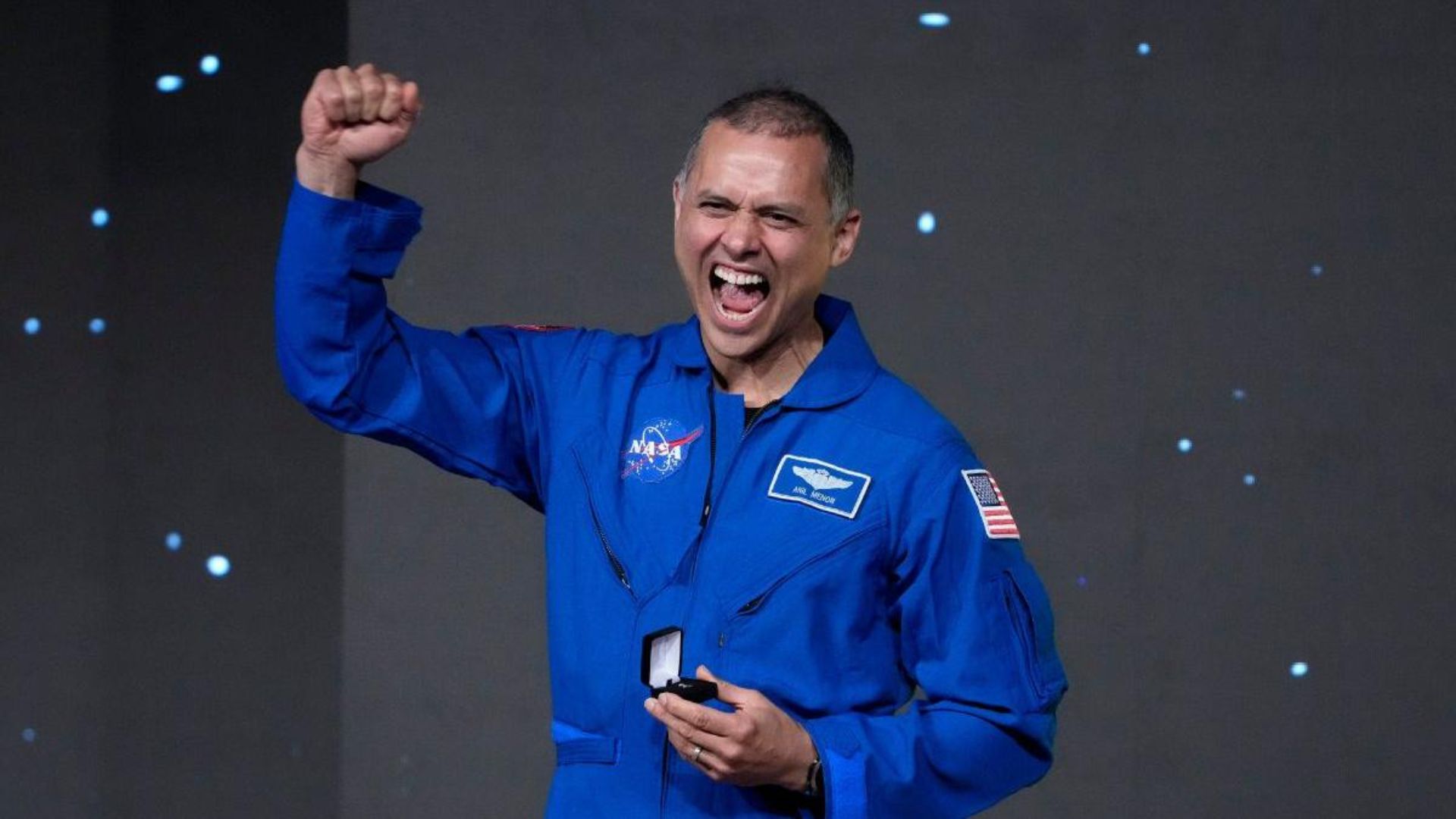
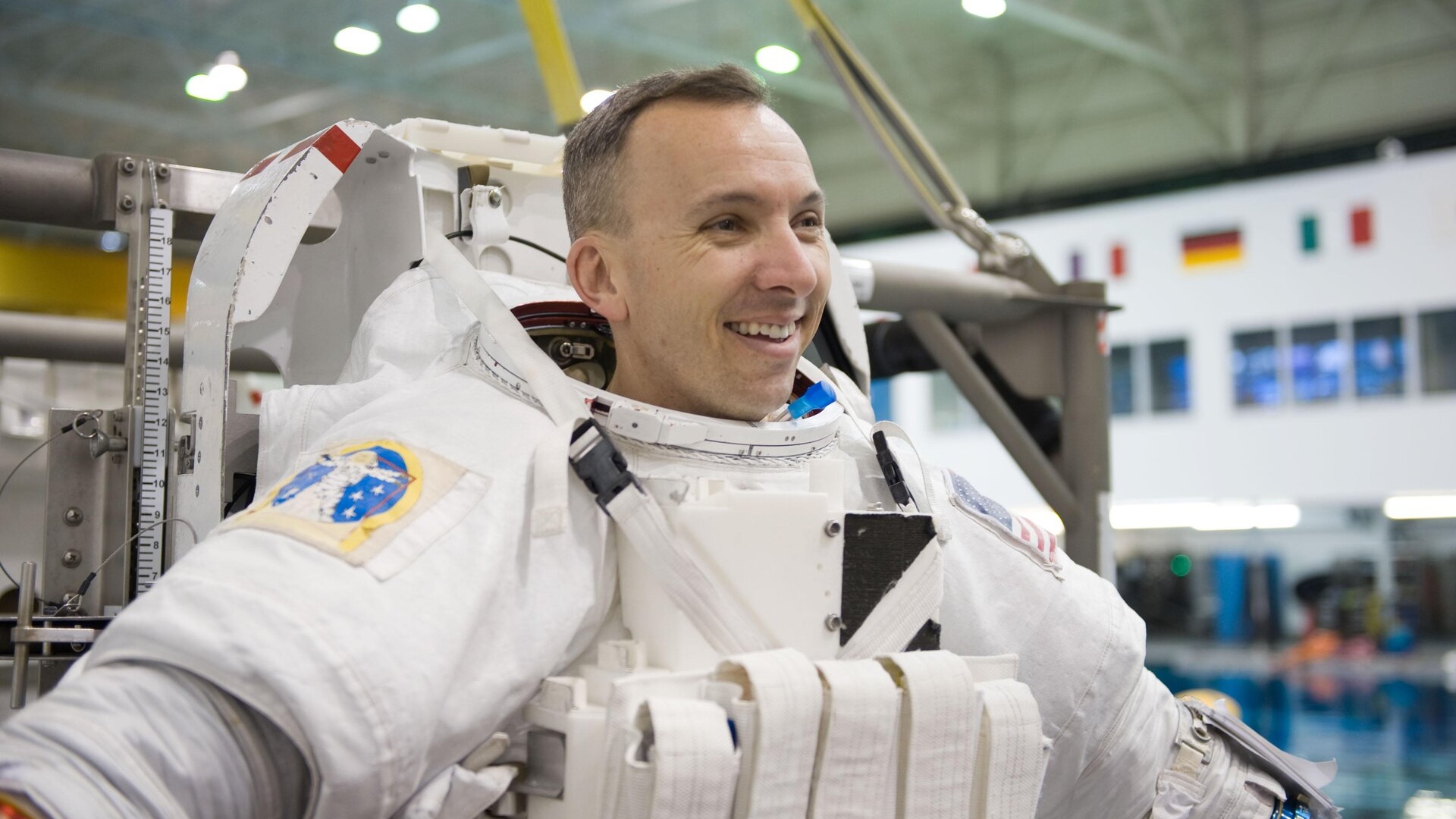
When NASA unveiled the four astronauts for its Artemis III mission this June, many noticed something conspicuous: every single crew member was a man. The announcement has triggered a wave of criticism on social media and among space industry insiders who say the decision undermines the agency stated commitment to diversity in space exploration.
What You Need to Know
- NASA announced an all-male crew for Artemis III: Randy Bresnik, Frank Rubio, Andre Douglas, and ESA Luca Parmitano
- Critics say the crew composition sends the wrong message after Christina Koch became the first woman to orbit the Moon on Artemis II
- NASA Administrator Jared Isaacman defended the selection as based purely on qualifications
- Artemis III is a complex orbital test mission planned for 2027, practicing docking with lunar landers
The Crew and the Mission
The Artemis III crew includes NASA astronauts Randy Bresnik (commander), Frank Rubio, and Andre Douglas, alongside European Space Agency astronaut Luca Parmitano (pilot). Bob Hines serves as backup.
Bresnik has flown both the Space Shuttle and the International Space Station. Rubio holds the American record for the longest single spaceflight at 371 consecutive days. Parmitano is among Europe most experienced astronauts with multiple missions and spacewalks. Douglas, selected in 2021, will be making his first trip to space.
The mission itself is a critical test flight planned for 2027. Aboard NASA Space Launch System (SLS) rocket, the Orion spacecraft will perform rendezvous and docking tests with lunar landers being developed by SpaceX (Starship) and Blue Origin. It is a highly choreographed orbital demonstration that will validate systems needed for Artemis IV, the first planned crewed landing at the lunar South Pole.
Why the Backlash
The criticism centers on optics. Artemis II, which launched earlier this year, featured Christina Koch as a mission specialist, making her the first woman to orbit the Moon. Her participation was widely celebrated as an inspiration for a new generation of women and girls interested in science and space exploration.
"Im kinda mind-blown that theres no woman on the Artemis III crew bro," wrote one user on X. "You as NASA saw so many people hyping up Christina going to the Moon because it means a lot to people that a woman is doing things that are inspiring and cool, and you just went nahhh no thanks."
Another user wrote: "The people who arent upset about there being no women on Artemis III dont understand what it means to see someone who looks like you accomplishing something so special especially after being put down for centuries."
NASA Defense
Responding to the criticism, NASA Administrator Jared Isaacman said people should not read too much into the crew composition. He emphasized that NASA selected the astronauts it believed were best suited to accomplish the mission objectives and that the decision was based on operational requirements rather than gender.
The agency has pointed to its broader diversity efforts, including the inclusion of women and people of color in Artemis II and future mission planning. However, critics argue that an all-male crew for such a high-profile mission undercuts the message NASA has tried to project about representation in the new era of lunar exploration.
What Artemis III Actually Involves
Despite the name, Artemis III does not actually land on the Moon. The mission is an Earth orbit test designed to practice the docking maneuvers that future lunar landing missions will require.
Once in orbit, the Orion spacecraft will first dock with a Blue Origin lander for testing before conducting additional evaluations with a SpaceX Starship vehicle. Two commercial launch vehicles will deliver the landers to orbit separately, making this one of the most complex multi-launch missions ever attempted.
Bottom Line
The Artemis III crew controversy highlights the tension between NASA operational decisions and the expectations of a public that has come to see space exploration as a symbol of human achievement and representation. With Artemis IV expected to include the first woman on the lunar surface, the agency will face continued pressure to ensure its crew selections reflect the diversity of the society it represents.