Meta has quietly stepped into the gaming space with a new app called Pocket that lets anyone generate playable mini-games and interactive experiences using nothing more than a text prompt. No game engine. No coding skills. Just an idea and the words to describe it.
The app appeared on both the Apple App Store and Google Play Store on June 29, 2026 without any official announcement from the company. Meta has not commented on the launch, suggesting Pocket is still in an early experimental phase.
What You Need to Know
- Pocket uses AI to turn plain-language prompts into playable interactive experiences called "gizmos"
- The app includes a social discovery feed where users can browse, play, and remix games created by others
- Pocket is built on technology Meta acquired through its purchase of the vibe-coding startup Gizmo earlier this year
- The app is currently available only in Brazil with no announced timeline for global rollout
What Is Pocket?
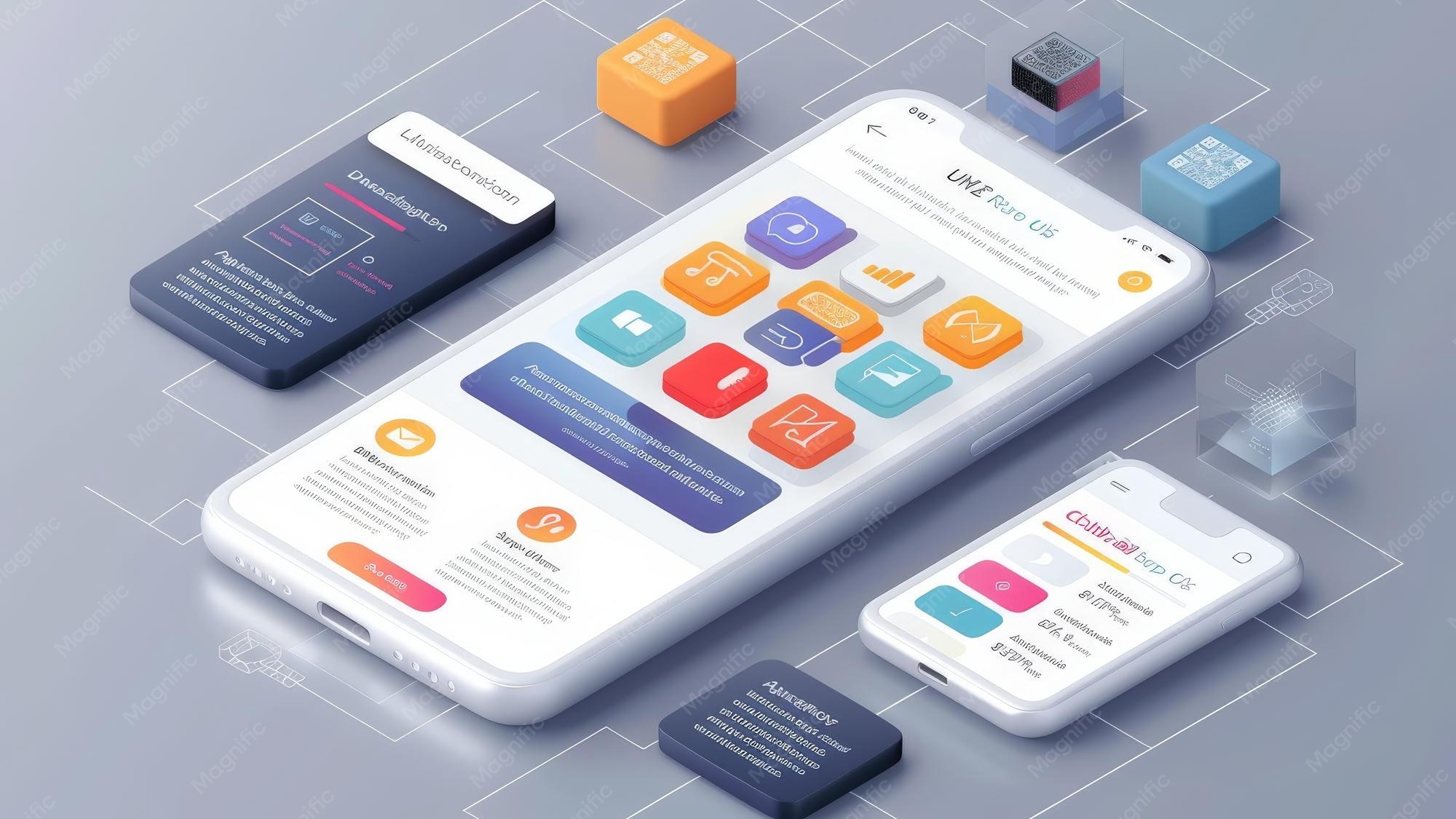
Pocket describes itself as "a creative platform for making and sharing gizmos." A gizmo is an AI-generated interactive experience that can be anything from a simple puzzle to a tilt-controlled game or a camera filter. Users type what they want, and the AI builds a playable version that responds to touch and phone tilt. Gizmos can also play sound effects, use the phone camera, and pull photos from the camera roll.
The result is something between a game development tool and a social network. The discovery feed works like TikTok but for playable content. Instead of scrolling through videos, users scroll through mini-games they can tap, swipe, and tilt their way through. If something catches their interest, they can remix it and publish their own version.
Built on the Gizmo Acquisition
Pocket is the direct result of Meta's acquisition of the team behind Gizmo, a startup that built a vibe-coded gaming platform earlier this year. The original Gizmo app, which remains available, let users create interactive experiences from AI prompts and featured a similar discovery feed. It had generated 635,000 lifetime installs across iOS and Google Play with 98% positive sentiment, according to app intelligence firm Appfigures.
Meta effectively took the core concept and rebuilt it as its own product. The connection is hard to miss: Pocket uses the same "gizmo" terminology and the Google Play package name is com.facebook.gizmo.
The app was first spotted by Alessandro Paluzzi, a reverse engineer known for uncovering unreleased features and apps. He published screenshots of the Google Play listing on social media, triggering coverage from TechCrunch, Android Authority, and other outlets.
Part of a Bigger AI Push
Pocket joins a growing lineup of standalone AI apps from Meta. The company has already launched AI-generated images through its Meta AI app, AI video creation with its Vibes app, and AI-assisted editing in its creator-focused Edits app. All of these follow the same pattern: ship an experimental standalone product, see what resonates, and then integrate the best features into Meta's core platforms like Facebook, Instagram, and WhatsApp.
This strategy lets Meta test AI tools in public without risking the reputation of its main products. If Pocket gains traction, expect AI-generated games and interactive experiences to show up inside Instagram or Facebook Stories. If it does not, the experiment quietly fades away.
The broader trend of "vibe coding" has picked up momentum in 2026. Google launched Project Genie and AI Studio for app prototyping. Anthropic and OpenAI have both added interactive capabilities to their models. Pocket is Meta's bet that the next wave of user-generated content will be interactive rather than static.
What Pocket Means for Gaming and Content Creation
For everyday users, Pocket lowers the barrier to game creation to nearly zero. Anyone with a smartphone and an idea can produce something playable in seconds. The remix feature means even people who do not want to come up with original ideas can take existing games and add their own twist.
For the gaming industry, the implications are less immediate but worth watching. Pocket is not trying to replace studios that build AAA titles. It is aimed at casual creation and social sharing. But the same dynamic played out in video: tools like TikTok and Instagram Reels turned everyone into a video creator. Pocket could do the same for interactive content.
Meta has not said when or if Pocket will get a wider rollout. The app is only available in Brazil for now, and the company has not responded to requests for comment. But based on Meta's track record with experimental apps, a broader launch often follows if early engagement numbers look promising.
Bottom Line
Pocket is Meta's quiet experiment in turning everyone into a game creator. By combining AI generation with social discovery, it is testing whether the next big content format is interactive rather than passive. For now it is limited to Brazil, but the strategy of launching small and scaling what works means Pocket could arrive in more markets if the early signs are positive.